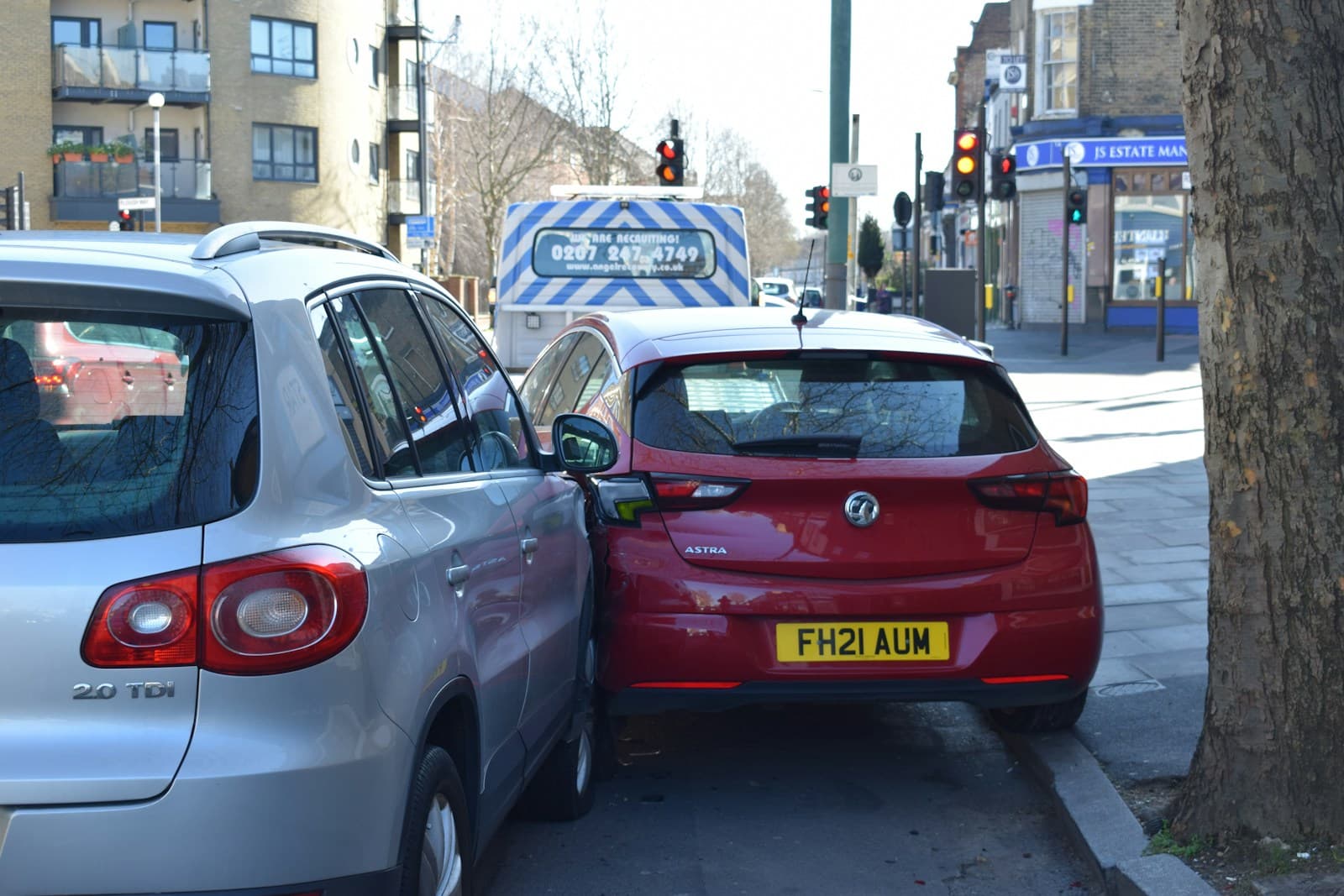
What Affects Rates in Philadelphia
- I-95 and Schuylkill Expressway Accident Density: The I-95 corridor through Philadelphia and the Schuylkill Expressway (I-76) consistently rank among the most accident-prone highways in Pennsylvania. Drivers with at-fault accidents on their record see compounded rate increases in zip codes along these routes due to elevated claim frequency.
- Center City Congestion and Pedestrian Collisions: Dense pedestrian traffic in Center City and University City increases liability exposure for drivers with violation histories. Carriers price higher risk into policies for drivers in 19102, 19103, and 19104 zip codes where pedestrian and cyclist incidents are more common.
- PennDOT Point System and Suspension Threshold: Pennsylvania suspends licenses at 6 points within 12 months or 11 points total. A single speeding ticket 26+ mph over the limit carries 5 points, putting drivers close to suspension. Points stay on your record for 2 years from the violation date, but insurance surcharges often last 3–5 years.
- Uninsured Motorist Concentration in North and West Philadelphia: Uninsured driver rates are higher in North and West Philadelphia neighborhoods. Drivers with violations in these areas face steeper uninsured motorist coverage costs, as carriers price in the elevated risk of hit-and-run or uninsured at-fault incidents.
- Snow and Ice Accident Spikes in Winter Months: Philadelphia averages 22 inches of snow annually, with freeze-thaw cycles creating hazardous road conditions on side streets and bridges. Drivers with prior at-fault accidents see compounded rate increases if a second winter-related claim occurs within the surcharge period.

Compare rates from carriers that work with drivers who have points
Standard carriers surcharge heavily after violations. These specialists price your specific record differently.
Get Your Free QuoteCoverage Recommendations
Cost estimates are based on available industry data and vary by driver profile. These are not insurance quotes.
Liability Insurance
Pennsylvania requires $15,000/$30,000 bodily injury and $5,000 property damage minimums, but drivers with violations should carry higher limits — $50,000/$100,000 or more — to protect assets in Philadelphia's litigious urban environment. High-risk carriers may require proof of higher limits to issue a policy.
$900–$1,800/year for minimum limits with violationsEstimated range only. Not a quote.
SR-22 Insurance
SR-22 is required in Pennsylvania for DUI convictions, driving without insurance, or refusing a chemical test — not for standard speeding or point violations. The SR-22 itself costs $50–$75 to file, but the underlying high-risk policy drives total costs to $1,800–$3,200/year for 3 years.
$50–$75 filing + high-risk premiumEstimated range only. Not a quote.
Uninsured Motorist Coverage
Uninsured motorist coverage is mandatory in Pennsylvania unless you reject it in writing. For drivers with violations in Philadelphia's higher-uninsured neighborhoods, this coverage protects against hit-and-run or uninsured at-fault drivers — common in North and West Philadelphia zip codes.
$150–$400/year additionalEstimated range only. Not a quote.
Full Coverage
Full coverage (liability + collision + comprehensive) for a driver with violations in Philadelphia typically runs $2,200–$4,000/year. Collision coverage is especially costly after an at-fault accident, with deductibles often raised to $1,000–$2,500 by non-standard carriers.
$2,200–$4,000/year with violationsEstimated range only. Not a quote.