What Affects Rates in Arlington
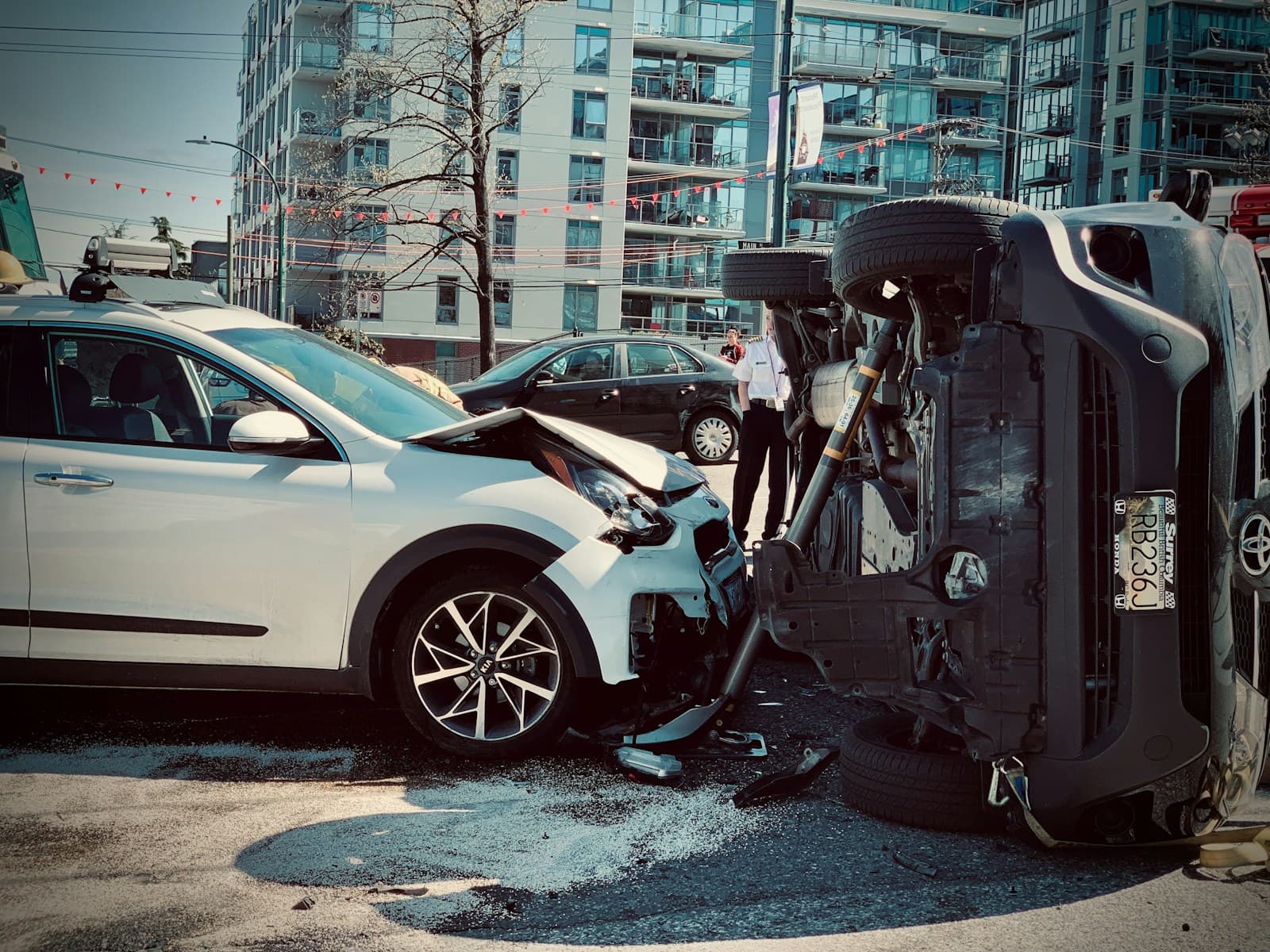
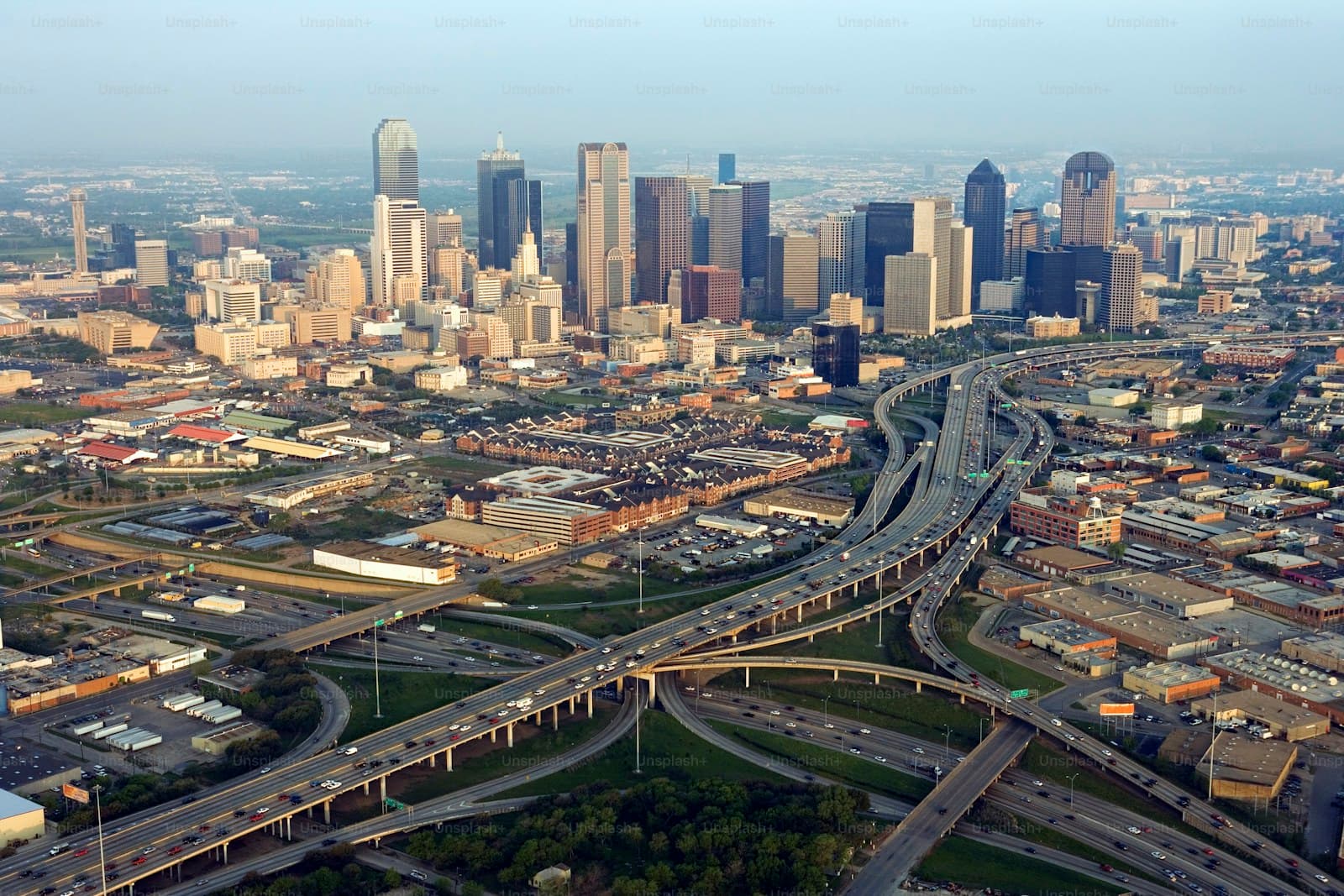
- DFW Metro Traffic Density: Arlington sits between Dallas and Fort Worth with I-20, I-30, and State Highway 360 intersecting the city, creating high daily commuter volume. High-risk drivers face steeper premiums here because collision frequency rises with traffic density, and insurers price non-standard policies based on zip-level accident data.
- Uninsured Driver Concentration: The DFW region consistently reports uninsured motorist rates above the Texas state average of 14%, with some Arlington zip codes exceeding 18%. Carriers increase uninsured motorist coverage premiums for high-risk drivers in response, knowing the likelihood of an uninsured claim is elevated in dense urban corridors.
- Municipal Court DUI Processing Volume: Arlington Municipal Court handles thousands of DWI and traffic violation cases annually, many resulting in SR-22 requirements. Carriers track local conviction volumes when underwriting non-standard policies, and Arlington's high case throughput signals elevated risk to insurers pricing DUI and reckless driving policies.
- No Public Transit Infrastructure: Arlington is the largest U.S. city without a public transit system, meaning drivers with suspended or restricted licenses have fewer alternatives and higher reliance on vehicles. Insurers view this as compounding risk exposure, since high-risk drivers in Arlington are more likely to drive out of necessity despite elevated violation history.
- Entertainment District Proximity: The Entertainment District—home to AT&T Stadium, Globe Life Field, and Six Flags—generates heavy event traffic and elevated DWI enforcement zones. High-risk drivers in Arlington face more frequent sobriety checkpoints and traffic saturation during events, both of which insurers factor into local underwriting models.
Compare rates from carriers that work with drivers who have points
Standard carriers surcharge heavily after violations. These specialists price your specific record differently.
Get Your Free QuoteCoverage Recommendations
Cost estimates are based on available industry data and vary by driver profile. These are not insurance quotes.
SR-22 Insurance
Texas requires SR-22 for DWI convictions, driving without insurance, repeat violations, or license reinstatement after suspension. The SR-22 is a certificate filed by your insurer confirming you carry at least 30/60/25 liability; you must maintain it continuously for 2–3 years or face suspension.
$25–$50 filing fee plus elevated premiumsEstimated range only. Not a quote.
Liability Insurance
Texas minimums are $30,000 per person/$60,000 per accident for bodily injury and $25,000 for property damage. High-risk drivers in Arlington often see liability-only premiums of $140–$240/month, but minimum limits leave you exposed in at-fault accidents—especially in high-traffic DFW corridors where medical and repair costs exceed these thresholds.
$140–$240/month for minimumsEstimated range only. Not a quote.
Uninsured Motorist Coverage
With Arlington's uninsured driver rate exceeding state averages, UM/UIM coverage is critical for high-risk drivers who already face steep premiums and cannot afford out-of-pocket costs from a hit-and-run or uninsured at-fault driver. This coverage is not legally required in Texas but must be offered and rejected in writing.
Adds $15–$40/month to high-risk policiesEstimated range only. Not a quote.
Non-Standard Auto Insurance
Drivers with DUIs, multiple violations, or SR-22 requirements are moved to non-standard carriers or divisions that specialize in high-risk profiles. In Arlington, non-standard policies range from $185–$340/month depending on violation severity, but shopping across non-standard carriers can yield 20–40% rate differences for identical coverage.
$185–$340/month typical rangeEstimated range only. Not a quote.