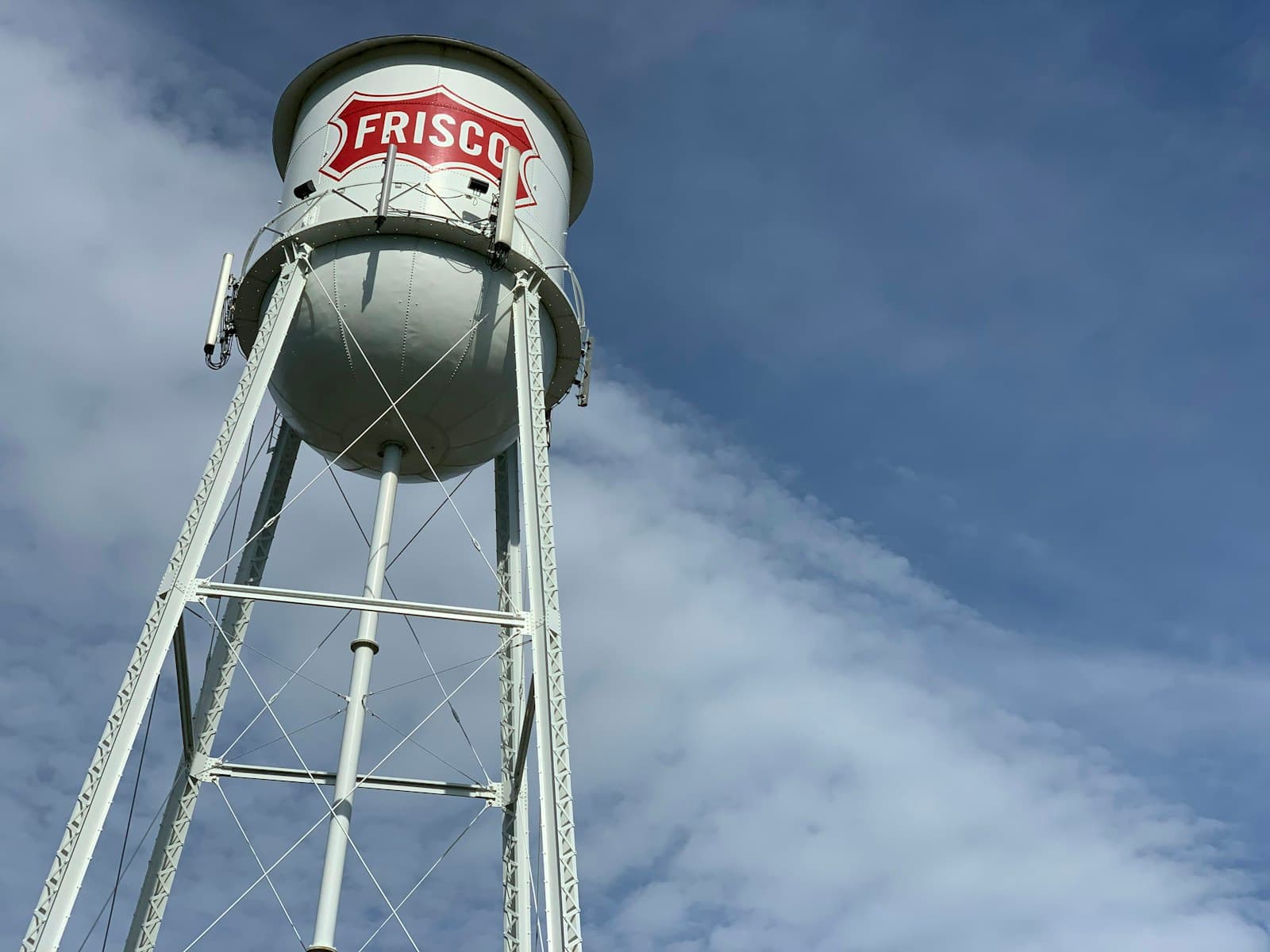
What Affects Rates in Frisco
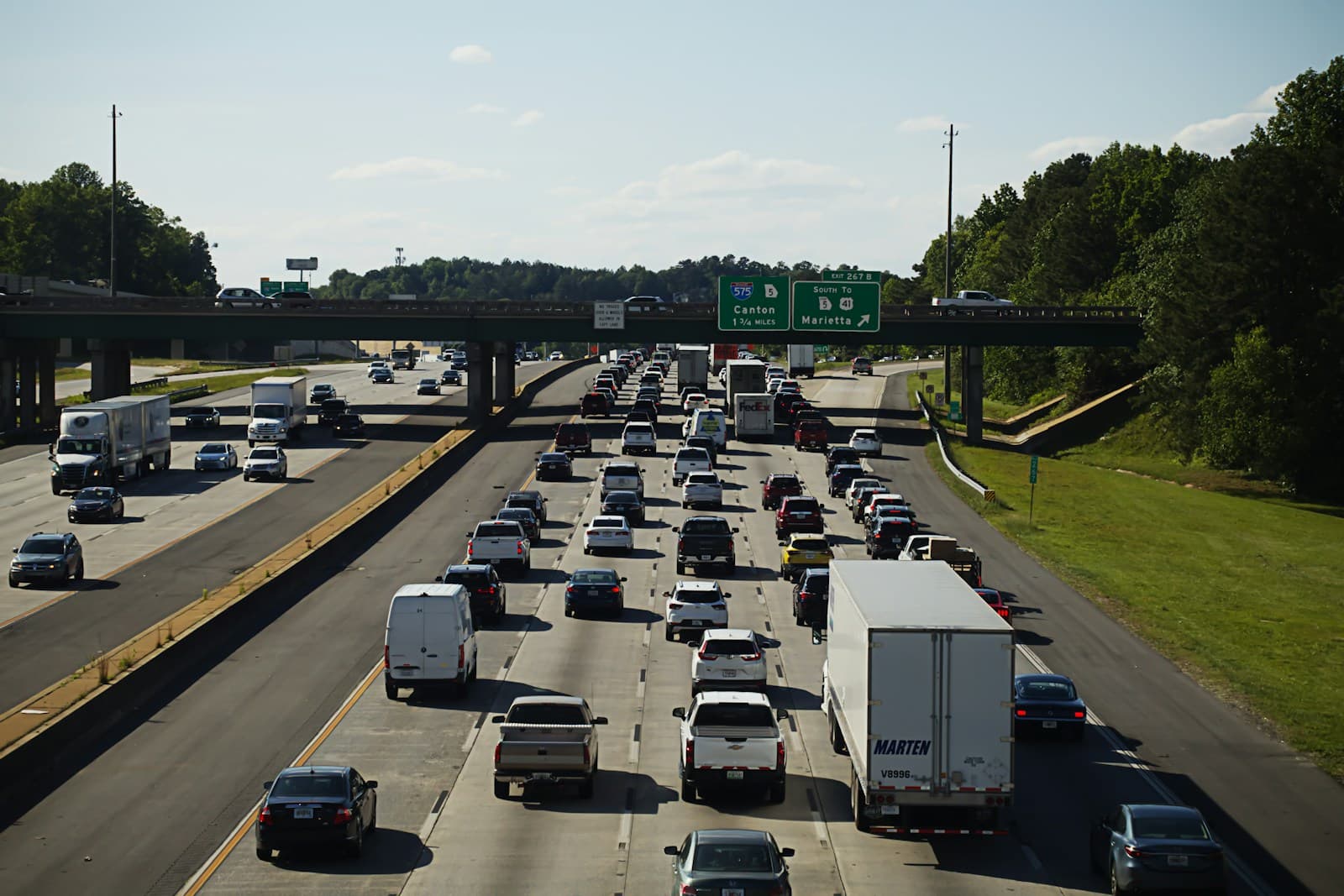
- Dallas North Tollway and Preston Road Accident Concentration: Frisco's primary north-south arterials see elevated accident rates during peak commute hours, particularly near Legacy Drive and Warren Parkway interchanges. High-risk drivers with at-fault accidents on record face steeper premiums here due to underwriters factoring in repeat-incident probability on these high-volume routes.
- Collin County Court System and Conviction Timelines: Traffic citations processed through Frisco Municipal Court typically resolve within 30–60 days, meaning point assignments and corresponding rate increases often take effect faster than in counties with larger case backlogs. Drivers seeking deferred adjudication to avoid points should act before their court date to preserve negotiation options.
- Rapid Suburban Growth and New Driver Density: Frisco's population grew over 70% between 2010 and 2020, bringing higher concentrations of new-to-area drivers unfamiliar with local traffic patterns. This elevates baseline accident risk across the city, which insurers price into all non-standard policies regardless of individual violation type.
- Uninsured Motorist Rate in North Texas: Texas ranks among the top 10 states for uninsured drivers at approximately 14% statewide, with suburban growth corridors like Frisco reflecting similar patterns. High-risk drivers dropping uninsured motorist coverage to lower premiums increase their exposure in hit-and-run or underinsured at-fault scenarios.
- Proximity to Dallas Non-Standard Carrier Market: Frisco's location within the Dallas-Fort Worth metro provides access to a deep pool of non-standard and surplus lines carriers that specialize in DUI, SR-22, and suspended license reinstatement policies. This competitive density often yields better rate options than isolated suburban markets with fewer underwriters.
Compare rates from carriers that work with drivers who have points
Standard carriers surcharge heavily after violations. These specialists price your specific record differently.
Get Your Free QuoteCoverage Recommendations
Cost estimates are based on available industry data and vary by driver profile. These are not insurance quotes.
SR-22 Insurance
Required in Texas for DUI convictions, license suspensions, and certain repeat violations. The SR-22 itself is a certificate your insurer files with the Texas DPS confirming continuous liability coverage at state minimums ($30,000 bodily injury per person, $60,000 per accident, $25,000 property damage). Lapses trigger license re-suspension and restart the 2-year filing clock.
$25–$50 filing fee plus high-risk premiumEstimated range only. Not a quote.
Liability Insurance
Texas minimum liability limits are lower than medical costs from serious accidents common on Frisco's high-speed tollways. High-risk drivers carrying only state minimums risk personal asset exposure if they cause an accident exceeding $60,000 in bodily injury — a threshold easily breached in multi-vehicle tollway collisions.
State minimums: $90–$180/mo with violationsEstimated range only. Not a quote.
Full Coverage
Combines liability, collision, and comprehensive. Lenders require full coverage on financed vehicles, which many high-risk drivers in Frisco carry given the city's high rate of newer financed SUVs and trucks. Deductible selection ($500 vs $1,000) directly impacts monthly premium — high-risk drivers often choose $1,000 deductibles to lower upfront cost despite higher out-of-pocket risk.
$220–$380/mo with violationsEstimated range only. Not a quote.
Uninsured Motorist Coverage
Covers your injuries and vehicle damage when an at-fault driver lacks insurance — a scenario affecting roughly 1 in 7 Texas accidents. High-risk drivers often drop this coverage to reduce premiums, but Frisco's tollway commuter mix and transient population increase uninsured encounter probability.
Adds $15–$40/mo to high-risk policyEstimated range only. Not a quote.