What Affects Rates in Burlington
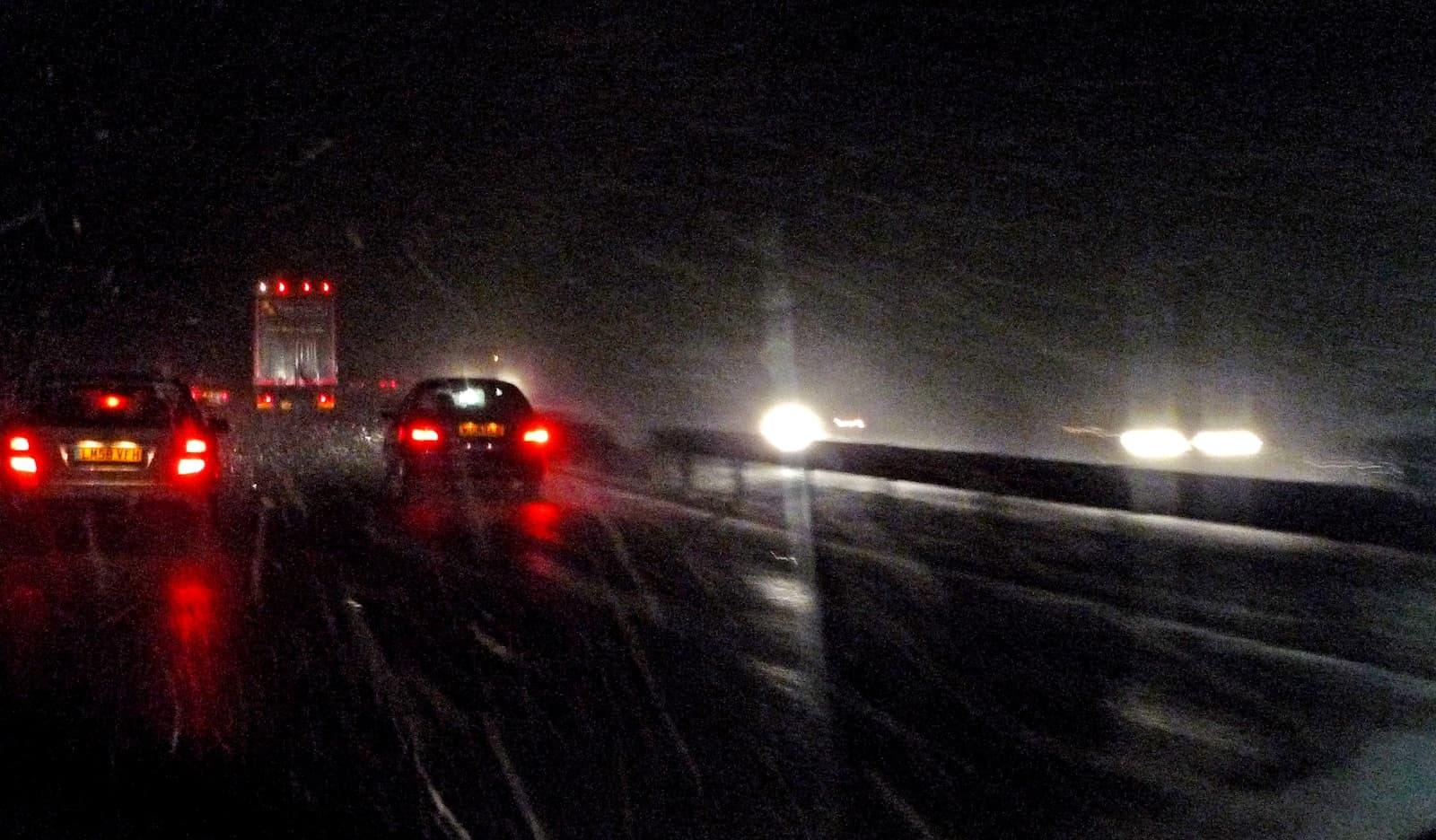
- Lake Champlain Winter Conditions: Burlington averages 81 inches of snow annually with lake-effect storms creating sudden whiteout conditions on I-89 and Route 7. Carriers charge 12–18% more for comprehensive and collision coverage for high-risk drivers due to elevated winter accident rates from November through March.
- University of Vermont Pedestrian Density: The UVM campus area and downtown Church Street corridor create high pedestrian traffic zones where at-fault accidents involving pedestrians trigger severe rate increases. High-risk drivers with existing violations face surcharges 20–35% higher in zip codes 05401 and 05405 due to elevated liability exposure.
- I-89 Corridor Enforcement: Vermont State Police maintain active speed enforcement on I-89 between Burlington and Waterbury, with posted limits dropping to 50 mph in construction zones. A second speeding ticket within 3 years moves drivers into assigned risk pools with many carriers, pushing premiums into the $250–$340/month range.
- Rural Route Winter Maintenance: Secondary roads in Chittenden County outside Burlington city limits receive lower priority for plowing and sanding. Drivers with prior at-fault accidents living in South Burlington, Winooski, or Essex face 8–15% higher comprehensive premiums due to increased slide-off and collision risk on Routes 2A, 15, and 116.
- Limited Non-Standard Carrier Competition: Burlington has fewer non-standard auto carriers than Vermont's larger cities, with most high-risk drivers relying on 3–5 specialized insurers or the Vermont Automobile Insurance Plan (assigned risk pool). This reduced competition keeps rates 10–18% higher than national averages for drivers with DUIs or multiple violations.
Compare rates from carriers that work with drivers who have points
Standard carriers surcharge heavily after violations. These specialists price your specific record differently.
Get Your Free QuoteCoverage Recommendations
Cost estimates are based on available industry data and vary by driver profile. These are not insurance quotes.
SR-22 Insurance
Required for DUI convictions, license suspensions for accumulating 10+ points in 2 years, or driving uninsured in Vermont. The SR-22 certificate itself costs $25–$50, but the underlying high-risk policy runs $185–$340/month in Burlington depending on violation severity and carrier.
$185–$340/mo for policy + $25–$50 filingEstimated range only. Not a quote.
Liability Insurance
Vermont requires 25/50/10 minimums, but high-risk drivers should carry 100/300/100 to protect assets if sued after an at-fault accident. Burlington's pedestrian-heavy downtown and UVM campus areas increase liability exposure, making higher limits critical for drivers with existing violations.
$110–$215/mo for 100/300/100Estimated range only. Not a quote.
Uninsured Motorist Coverage
Vermont's uninsured driver rate sits near 9–11%, with higher concentrations in rural Chittenden County. High-risk drivers already facing elevated premiums should carry UM coverage at 100/300 limits to avoid out-of-pocket costs if hit by an uninsured driver on I-89 or Route 7.
$18–$35/mo added to policyEstimated range only. Not a quote.
Full Coverage
Comprehensive and collision coverage combined typically add $95–$180/month for high-risk drivers in Burlington, with higher costs for those financing vehicles. Winter weather and elevated deer-strike risk on Routes 2, 15, and 116 make comprehensive coverage particularly valuable despite the premium increase.
+$95–$180/mo beyond liabilityEstimated range only. Not a quote.