What Affects Rates in Hampton
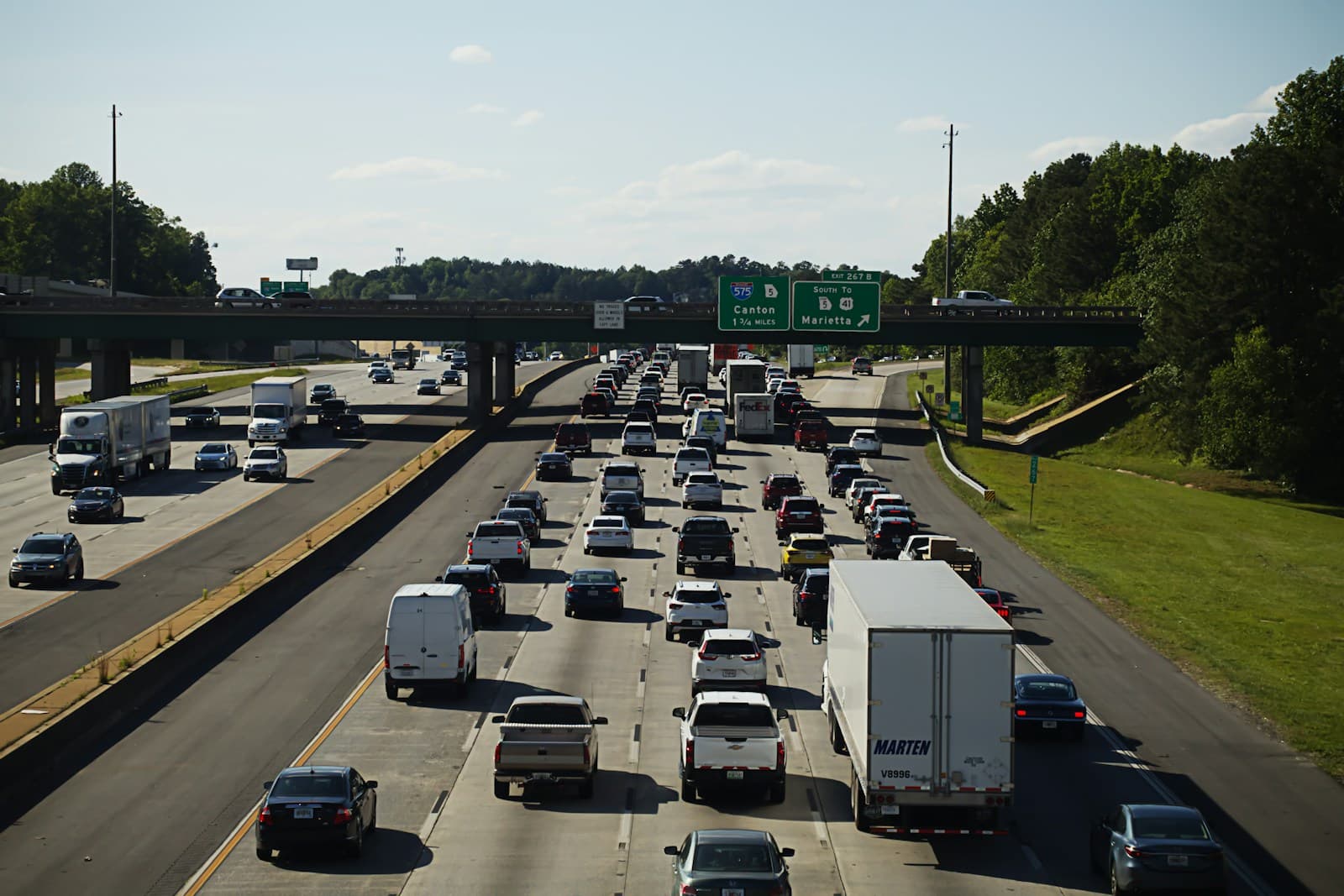
- I-64 Corridor Accident Concentration: Hampton sits at the junction of I-64 and I-664, two of the region's busiest corridors connecting Norfolk Naval Station, Newport News Shipbuilding, and Peninsula commuters. High-risk drivers already flagged for violations face steeper premiums in areas with documented accident frequency, and carriers price the elevated collision exposure into underwriting models for Hampton ZIP codes near these interchanges.
- Military Population Turnover: Hampton borders Langley Air Force Base and sits minutes from Naval Station Norfolk, creating constant population churn with transient residents. High-risk drivers in this market often compete for coverage with military personnel who may have out-of-state violations or lapses, tightening the non-standard carrier pool and reducing rate competition.
- Virginia Contributory Negligence Rule: Virginia applies contributory negligence, meaning if you are found even 1% at fault in an accident, you cannot recover damages from the other party. For high-risk drivers, this means any subsequent at-fault accident will be handled entirely by your own liability or collision coverage, making those policy limits critical and increasing the cost impact of stacking violations.
- Hampton Roads Bridge-Tunnel Commute Patterns: Many Hampton residents commute across the Hampton Roads Bridge-Tunnel or Monitor-Merrimac Memorial Bridge-Tunnel, both of which experience regular congestion, weather-related slowdowns, and elevated rear-end collision rates. Carriers factor commute routes into risk assessment, and drivers with existing speeding or reckless driving convictions see amplified premiums when domiciled near these chokepoints.
- Coastal Weather and Flooding Risk: Hampton's low-lying coastal geography increases flood exposure and storm-related claims, particularly in neighborhoods near the Chesapeake Bay and Back River. High-risk drivers who add comprehensive coverage to meet SR-22 or lender requirements face higher premiums in flood-prone ZIP codes, as carriers price in the elevated probability of weather-related total losses.
Compare rates from carriers that work with drivers who have points
Standard carriers surcharge heavily after violations. These specialists price your specific record differently.
Get Your Free QuoteCoverage Recommendations
Cost estimates are based on available industry data and vary by driver profile. These are not insurance quotes.
SR-22 Insurance
Virginia requires SR-22 for 3 years following DUI convictions, driving on a suspended license, or accumulating too many demerit points (18 in 12 months or 24 in 24 months). The filing itself costs $15–$50, but the underlying liability policy—required at state minimums of 25/50/20—will cost $1,800–$3,600/year for most high-risk drivers in Hampton.
$1,800–$3,600/year + $15–$50 filingEstimated range only. Not a quote.
Liability Insurance
Virginia's minimum liability limits are $25,000 per person/$50,000 per accident for bodily injury and $20,000 for property damage. High-risk drivers in Hampton often see liability-only policies priced at $1,800–$3,600/year, with rates heavily influenced by violation type, time since incident, and whether the driver has an SR-22 requirement. Raising limits to 100/300/100 adds $400–$900/year but provides critical protection under Virginia's contributory negligence rule.
$1,800–$3,600/year at state minimumsEstimated range only. Not a quote.
Full Coverage
Full coverage (liability + collision + comprehensive) for high-risk drivers in Hampton typically runs $3,200–$5,800/year, with the collision portion accounting for the largest premium increase due to elevated risk scoring. Drivers with financed vehicles or SR-22 requirements often must carry full coverage, and deductibles of $1,000 or higher can reduce annual premiums by $600–$1,200.
$3,200–$5,800/yearEstimated range only. Not a quote.
Uninsured Motorist Coverage
Virginia does not require uninsured/underinsured motorist coverage, but it must be offered and explicitly rejected in writing. For high-risk drivers in Hampton—especially those near the I-64 corridor with higher transient traffic—adding UM/UIM at 25/50 limits costs $150–$400/year and provides the only recovery path if you're hit by an uninsured driver in a contributory negligence state.
$150–$400/year for 25/50 limitsEstimated range only. Not a quote.