What Affects Rates in Kirkland
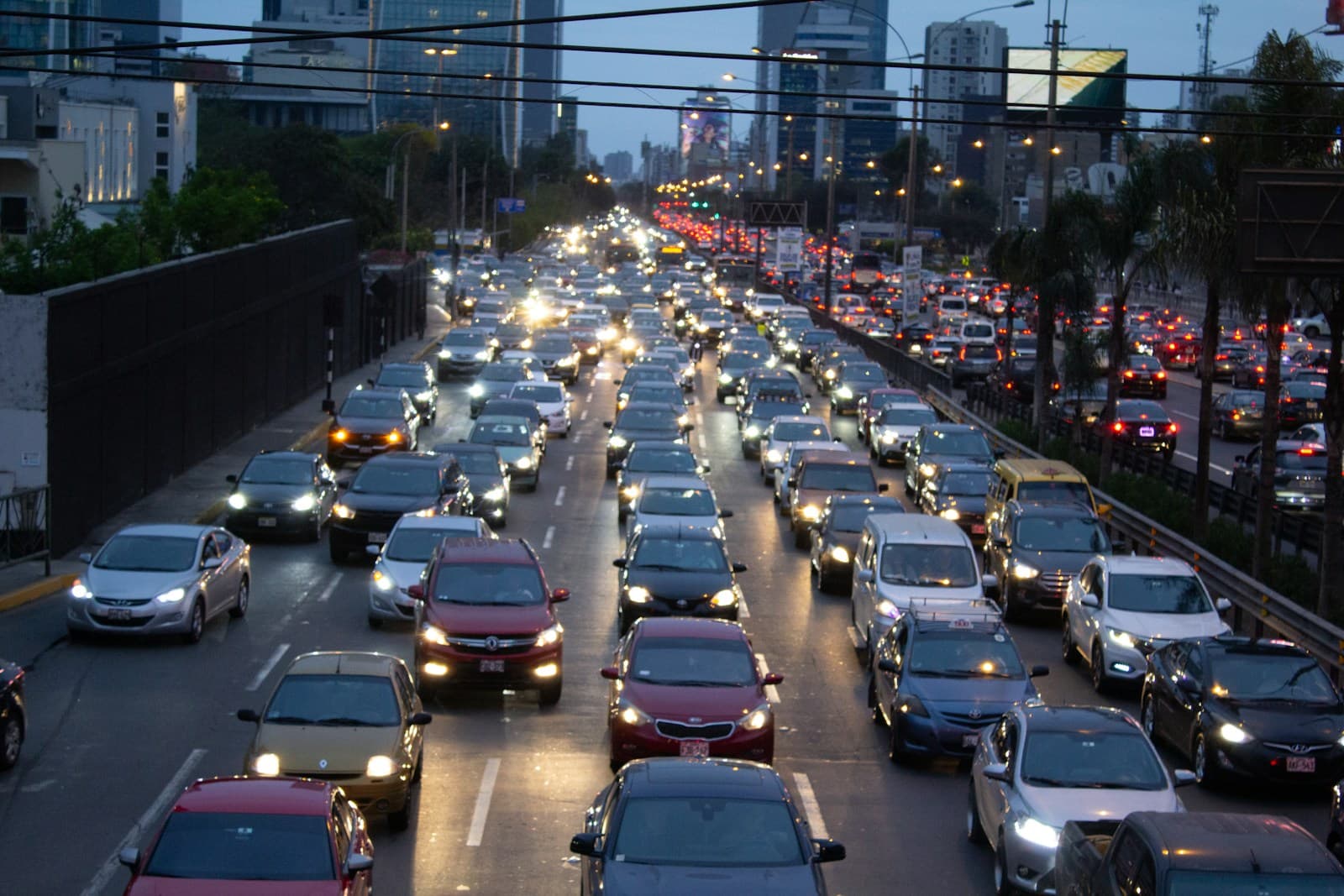
- SR-520 and I-405 Commuter Congestion: Kirkland sits between SR-520 and I-405, two of the region's most congested routes during peak hours. High-risk drivers with at-fault accident histories face elevated premiums here because claim frequency correlates with stop-and-go traffic density, and carriers price suburban commute corridors accordingly.
- King County DUI Processing Timeline: King County District Court processes DUI cases out of multiple facilities, and conviction timelines range from 3–9 months depending on case complexity. SR-22 filing requirements begin at conviction, not arrest, so drivers may shop for coverage while charges are pending — though many non-standard carriers will not bind policies until final disposition.
- Uninsured Motorist Concentration: Washington's statewide uninsured driver rate hovers near 13%, and King County urban corridors see higher concentrations. High-risk drivers already paying elevated premiums should prioritize uninsured motorist coverage, as at-fault uninsured claims trigger rate increases even when the policyholder is not responsible.
- Pedestrian and Cyclist Collision Exposure: Downtown Kirkland and the Cross Kirkland Corridor see heavy pedestrian and cyclist traffic year-round. Liability claims involving pedestrians settle at higher averages than vehicle-only collisions, and carriers price high-risk policies with elevated bodily injury limits in mixed-use suburban zones.
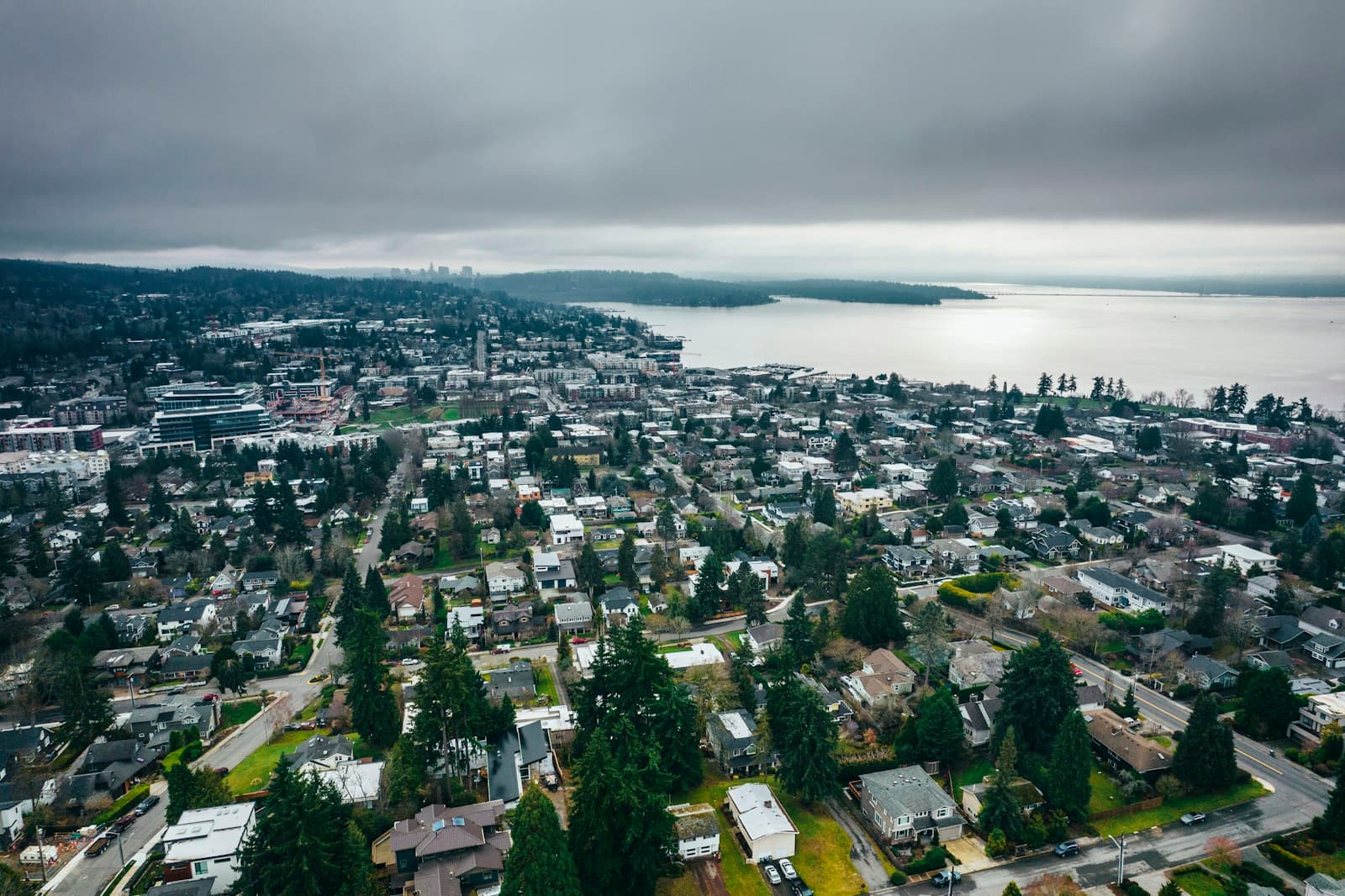
- Winter Weather and Lake Effect Precipitation: Kirkland's proximity to Lake Washington generates localized fog and ice conditions during winter months, particularly on elevated roads and bridges. Drivers with existing at-fault accidents or weather-related violations see sharper rate increases here than in drier inland suburbs, as carriers flag repeat weather-related claim risk.
Compare rates from carriers that work with drivers who have points
Standard carriers surcharge heavily after violations. These specialists price your specific record differently.
Get Your Free QuoteCoverage Recommendations
Cost estimates are based on available industry data and vary by driver profile. These are not insurance quotes.
SR-22 Insurance
Washington requires SR-22 for DUI convictions, license suspensions for multiple violations, driving without insurance, and certain reckless driving offenses. The SR-22 itself is a liability certificate filed by your insurer to the Department of Licensing; it costs $25–$50 and must remain active for 3 years without lapse or the clock resets.
$25–$50 filing fee; underlying violation raises premiumEstimated range only. Not a quote.
Liability Insurance
Washington minimum limits are $25,000 bodily injury per person, $50,000 per accident, and $10,000 property damage. High-risk drivers in Kirkland should carry at least $100,000/$300,000/$100,000 given elevated pedestrian collision exposure and the at-fault tort system, which allows injured parties to sue for damages beyond policy limits.
$90–$180/month for state minimums, high-risk driverEstimated range only. Not a quote.
Uninsured Motorist Coverage
Washington requires insurers to offer uninsured/underinsured motorist coverage at the same limits as your liability policy, though you can reject it in writing. With King County's uninsured rate near 13%, high-risk drivers who reject this coverage expose themselves to out-of-pocket costs if hit by an uninsured driver — and those costs can trigger further rate increases if financed through claims.
$15–$40/month additional for 100/300 limitsEstimated range only. Not a quote.
Full Coverage
Full coverage (liability + collision + comprehensive) for high-risk drivers in Kirkland runs $180–$350/month depending on violation severity, vehicle value, and deductible. Drivers with financed vehicles must carry collision and comprehensive per lender requirements, but those with older paid-off cars can drop physical damage coverage to reduce premiums by 30–50%.
$180–$350/month estimate, violation-dependentEstimated range only. Not a quote.