What Affects Rates in Spokane
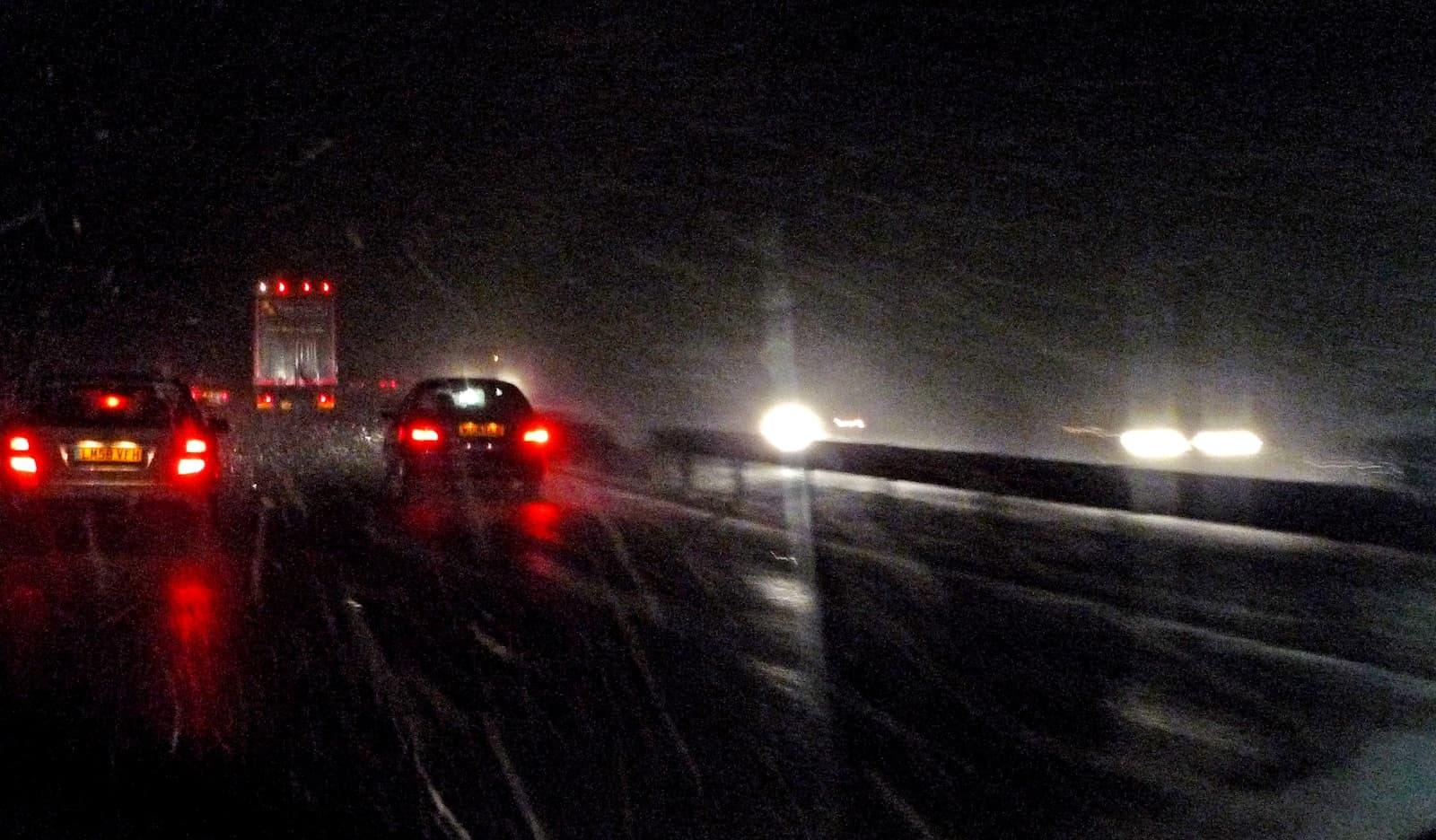
- Winter Weather and I-90 Corridor Accidents: Spokane sees significant snowfall from November through March, with icy conditions on I-90 and city streets driving up collision claims. Drivers with existing points or at-fault accidents face steeper increases after winter claims, as insurers view repeat incidents more harshly.
- Washington Point System and License Suspension Threshold: Washington suspends your license if you accumulate 6 points in 12 months or 7 points in 24 months. A single reckless driving citation is worth 6 points—enough to trigger suspension—while most speeding tickets are 3–4 points. Points stay on your record for 3 years, and insurers typically surcharge based on violations for 3–5 years.
- SR-22 Triggers and Non-Standard Carrier Availability: Washington requires SR-22 only for DUI, reckless driving, driving uninsured, or repeated license suspensions—not for standard speeding tickets or single at-fault accidents. Spokane has access to regional non-standard carriers like PEMCO and The General, plus national high-risk writers, giving drivers with violations more competitive options than rural Washington markets.
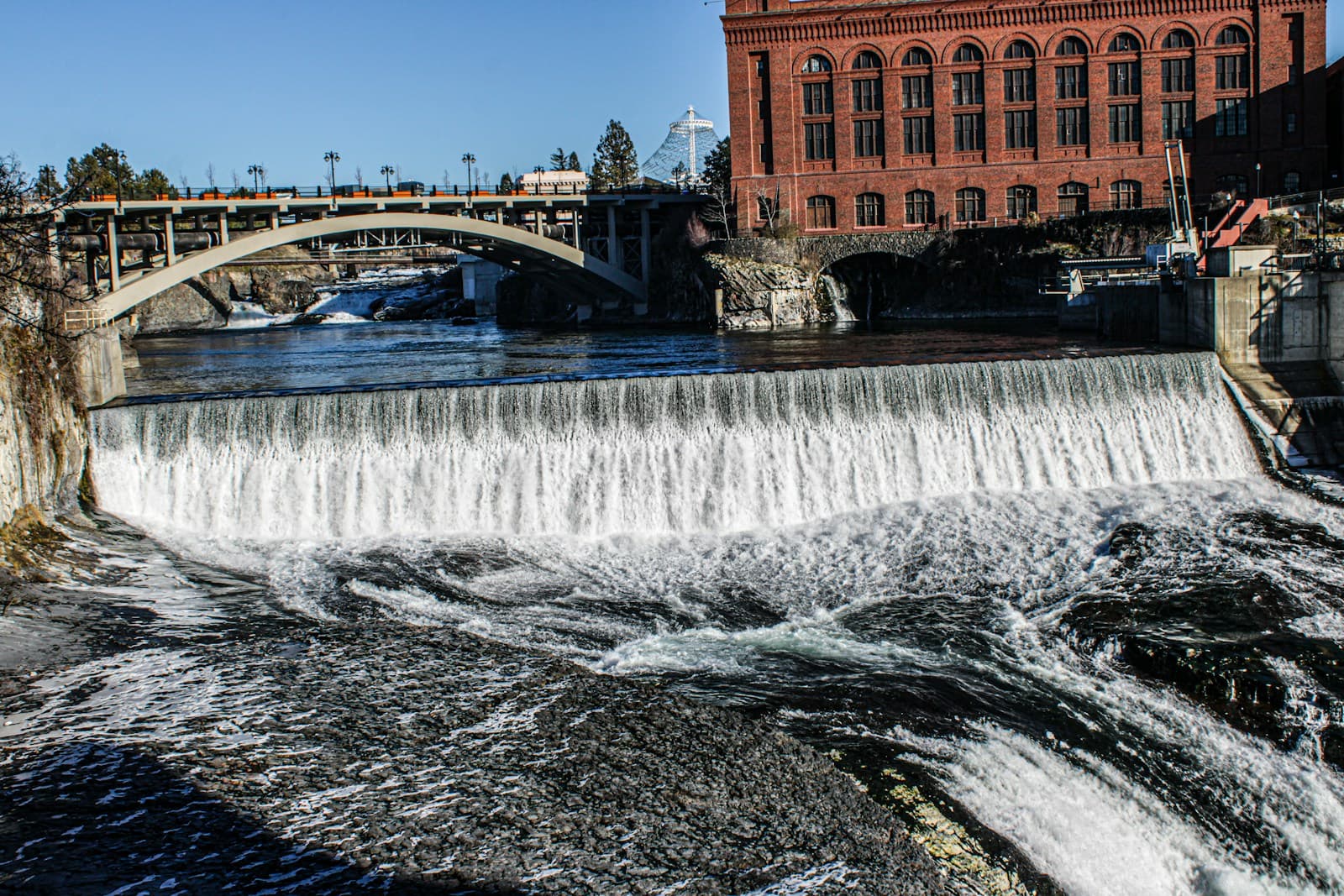
- Urban Density and Downtown Collision Frequency: Downtown Spokane and the Division Street corridor see higher pedestrian and vehicle traffic density than surrounding Spokane County, elevating fender-bender and parking lot claim rates. Drivers with existing violations living or commuting through these zones often face modestly higher premiums due to elevated accident frequency.
- Spokane County Court System and Traffic School Eligibility: Spokane County courts allow eligible drivers to take a state-approved defensive driving course to keep certain violations off their insurance record, though not all tickets qualify and you're typically limited to one dismissal every few years. Completing the course before your insurer pulls your record can prevent a surcharge—timing matters.
Compare rates from carriers that work with drivers who have points
Standard carriers surcharge heavily after violations. These specialists price your specific record differently.
Get Your Free QuoteCoverage Recommendations
Cost estimates are based on available industry data and vary by driver profile. These are not insurance quotes.
Liability Insurance
Washington minimums are $25,000 per person/$50,000 per accident for injury and $10,000 for property damage. Drivers with violations should consider $100,000/$300,000 limits—at-fault accidents with insufficient coverage can lead to personal asset exposure, and higher limits often cost only $10–$20 more monthly.
$80–$180/mo with violationsEstimated range only. Not a quote.
SR-22 Insurance
Required for 3 years in Washington after DUI, reckless driving, or uninsured driving convictions. The SR-22 itself is a $25–$50 filing; the rate impact comes from the underlying violation—DUI drivers often pay 2–3x standard rates. Any lapse triggers restart of the 3-year clock and immediate license suspension.
$150–$350/mo full coverageEstimated range only. Not a quote.
Full Coverage
Liability plus collision and comprehensive. Spokane's winter weather makes comprehensive valuable—comprehensive claims for ice damage, deer strikes, and windshield cracks are common. Drivers with points pay $150–$280/month; adding collision after an at-fault accident can push totals to $200–$350/month depending on vehicle value.
$150–$280/mo with violationsEstimated range only. Not a quote.
Uninsured Motorist Coverage
Covers your injuries and vehicle damage if hit by an uninsured driver. Washington's uninsured motorist rate hovers near 10% statewide. For drivers already paying elevated rates due to violations, uninsured motorist coverage adds $10–$25/month and protects against rate spikes from no-fault accidents with uninsured drivers.
$10–$25/mo additionalEstimated range only. Not a quote.