What Affects Rates in Tacoma
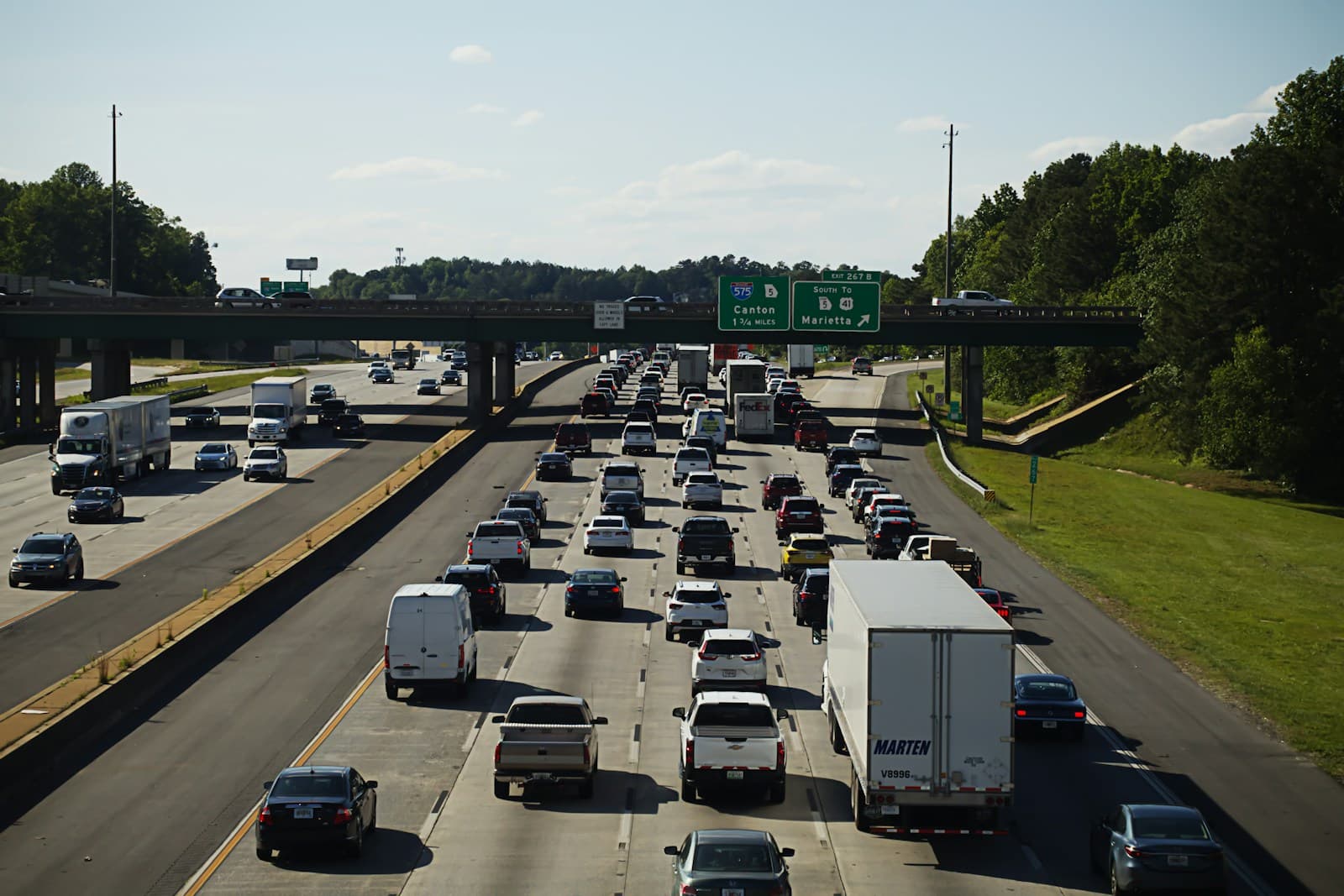
- I-5 and SR-16 Corridor Accident Density: Tacoma sits at the convergence of I-5 and SR-16, two of Washington's highest-traffic corridors with elevated accident frequency. Drivers with at-fault accidents on their record face steeper rate increases here than in lower-density areas due to insurers pricing for repeat-collision risk in high-volume zones.
- Port of Tacoma Commercial Traffic: Heavy truck and commercial traffic around the Port of Tacoma increases collision exposure and severity. High-risk drivers in zip codes near the Tideflats and industrial corridors see higher premiums due to mixed commercial-passenger traffic patterns.
- Pierce County Court-Ordered SR-22 Volume: Pierce County processes a high volume of DUI and suspended license cases through Tacoma Municipal Court and Pierce County District Court. Drivers with court-ordered SR-22 requirements often face 60–90 day processing windows, during which they must maintain continuous non-standard coverage to avoid extended filing periods.
- Urban Core vs. Suburban Rate Spread: High-risk drivers in downtown Tacoma and Hilltop neighborhoods pay 15–25% more than those in South Tacoma or University Place due to higher theft, vandalism, and uninsured motorist claim frequency in the urban core.
- Winter Weather Claim Patterns: Tacoma's wet winters contribute to elevated collision rates from October through March. Drivers with existing at-fault accidents or point violations see amplified rate increases because insurers view them as higher risk during weather-related claim spikes.
Compare rates from carriers that work with drivers who have points
Standard carriers surcharge heavily after violations. These specialists price your specific record differently.
Get Your Free QuoteCoverage Recommendations
Cost estimates are based on available industry data and vary by driver profile. These are not insurance quotes.
SR-22 Insurance
Washington requires SR-22 for DUI, reckless driving, driving without insurance, and accumulating too many violations within 24 months. The SR-22 itself is a filing, not a policy type — you purchase liability coverage from a non-standard carrier, and they file the SR-22 certificate with the Washington DOL for $25–$50.
$150–$280/mo liability with SR-22Estimated range only. Not a quote.
Non-Standard Auto Insurance
Carriers like The General, Acceptance, and Bristol West specialize in Tacoma drivers with violations, lapses, or multiple points. Non-standard policies cost 40–120% more than standard market rates but offer the only viable path to reinstatement for drivers rejected by preferred carriers.
$1,800–$4,200/year full coverageEstimated range only. Not a quote.
Liability Insurance
Washington minimums are $25,000/$50,000/$10,000, but high-risk drivers in Tacoma should consider $50,000/$100,000/$25,000 to cover exposure on I-5 and SR-16 where multi-vehicle accidents are common. Minimum-limit policies save $30–$60/month but leave you financially exposed in serious crashes.
$125–$220/mo minimum limitsEstimated range only. Not a quote.
Uninsured Motorist Coverage
Washington has an estimated 13% uninsured driver rate, concentrated in urban Tacoma zip codes. Drivers with points or violations should carry UM/UIM coverage at least equal to their liability limits, as at-fault crashes with uninsured drivers leave you paying out-of-pocket for injuries without it.
+$15–$35/mo over liabilityEstimated range only. Not a quote.