What Affects Rates in Charleston
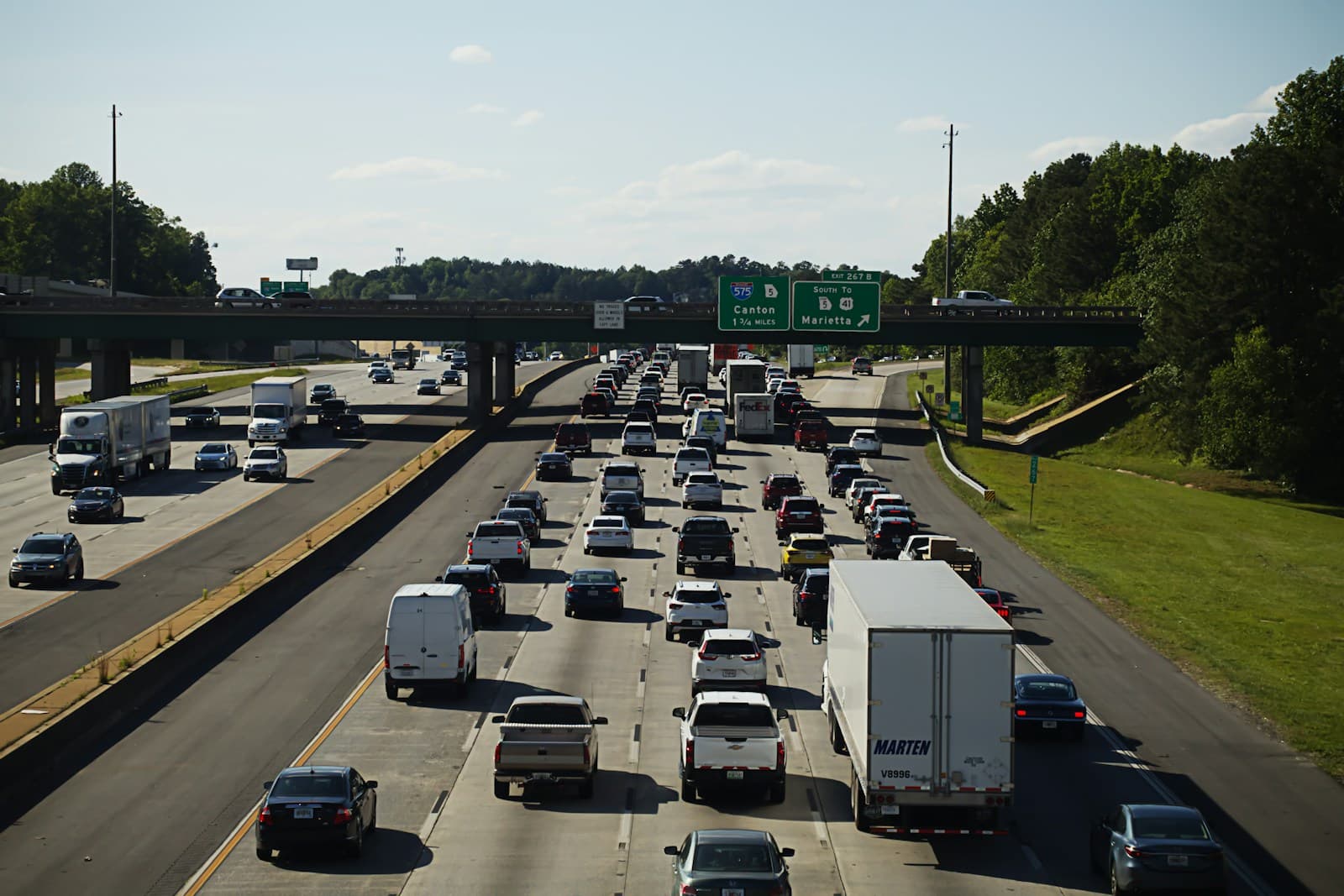
- Kanawha County Accident Corridors: Charleston's MacCorkle Avenue and I-64/I-77 interchange see concentrated accident activity, leading insurers to weight location-based risk more heavily for drivers with existing violations. High-risk drivers residing near these corridors often face steeper premiums than those in less congested South Hills neighborhoods.
- West Virginia Uninsured Driver Rate: West Virginia's 7.4% uninsured motorist rate is below the national average but still represents roughly 1 in 14 drivers. Carriers price uninsured motorist coverage aggressively for high-risk drivers in Charleston, as collision exposure increases when paired with a violation history.
- Limited Non-Standard Carrier Competition: Charleston's non-standard auto insurance market includes fewer competing carriers than larger metros, reducing options for drivers with DUIs or SR-22 requirements. This limited competition can elevate premiums $300–$600/year compared to cities with deeper non-standard markets.
- Downtown Charleston Commute Density: Drivers with violation histories who commute into downtown Charleston during peak hours face higher collision coverage costs due to elevated traffic density along Capitol Street and Quarrier Street corridors. Insurers apply urban density multipliers that compound existing high-risk surcharges.
- Winter Weather Claim Patterns: Charleston's Appalachian location brings seasonal ice and snow that elevates winter collision claims. High-risk drivers with at-fault accidents already on record see comprehensive and collision premiums rise 15–25% more than clean-record drivers during annual renewals following harsh winters.
Compare rates from carriers that work with drivers who have points
Standard carriers surcharge heavily after violations. These specialists price your specific record differently.
Get Your Free QuoteCoverage Recommendations
Cost estimates are based on available industry data and vary by driver profile. These are not insurance quotes.
SR-22 Insurance
West Virginia requires SR-22 for DUI convictions, driving under suspension, and certain repeat violations. The SR-22 itself costs $50 to file, but the underlying liability policy typically runs $1,200–$2,400/year for drivers with major violations in Charleston.
$1,200–$2,400/year liability minimumEstimated range only. Not a quote.
Non-Standard Auto Insurance
Drivers with DUIs, multiple violations, or lapses in Charleston often need non-standard carriers who specialize in high-risk profiles. These policies cost 40–120% more than standard rates but provide the continuous coverage required to maintain SR-22 compliance and avoid license suspension.
40–120% above standard ratesEstimated range only. Not a quote.
Full Coverage
High-risk drivers in Charleston financing a vehicle must carry collision and comprehensive alongside liability. Full coverage typically costs $1,800–$3,200/year after a DUI or major violation, with comprehensive premiums rising during winter months due to Charleston's seasonal weather patterns.
$1,800–$3,200/yearEstimated range only. Not a quote.
Uninsured Motorist Coverage
West Virginia does not mandate uninsured motorist coverage, but with 7.4% of drivers uninsured statewide, high-risk drivers in Charleston should consider adding it. Premiums run $150–$300/year and protect against collisions with uninsured drivers on I-64 and other high-traffic routes.
$150–$300/year added costEstimated range only. Not a quote.