What Affects Rates in Kenosha
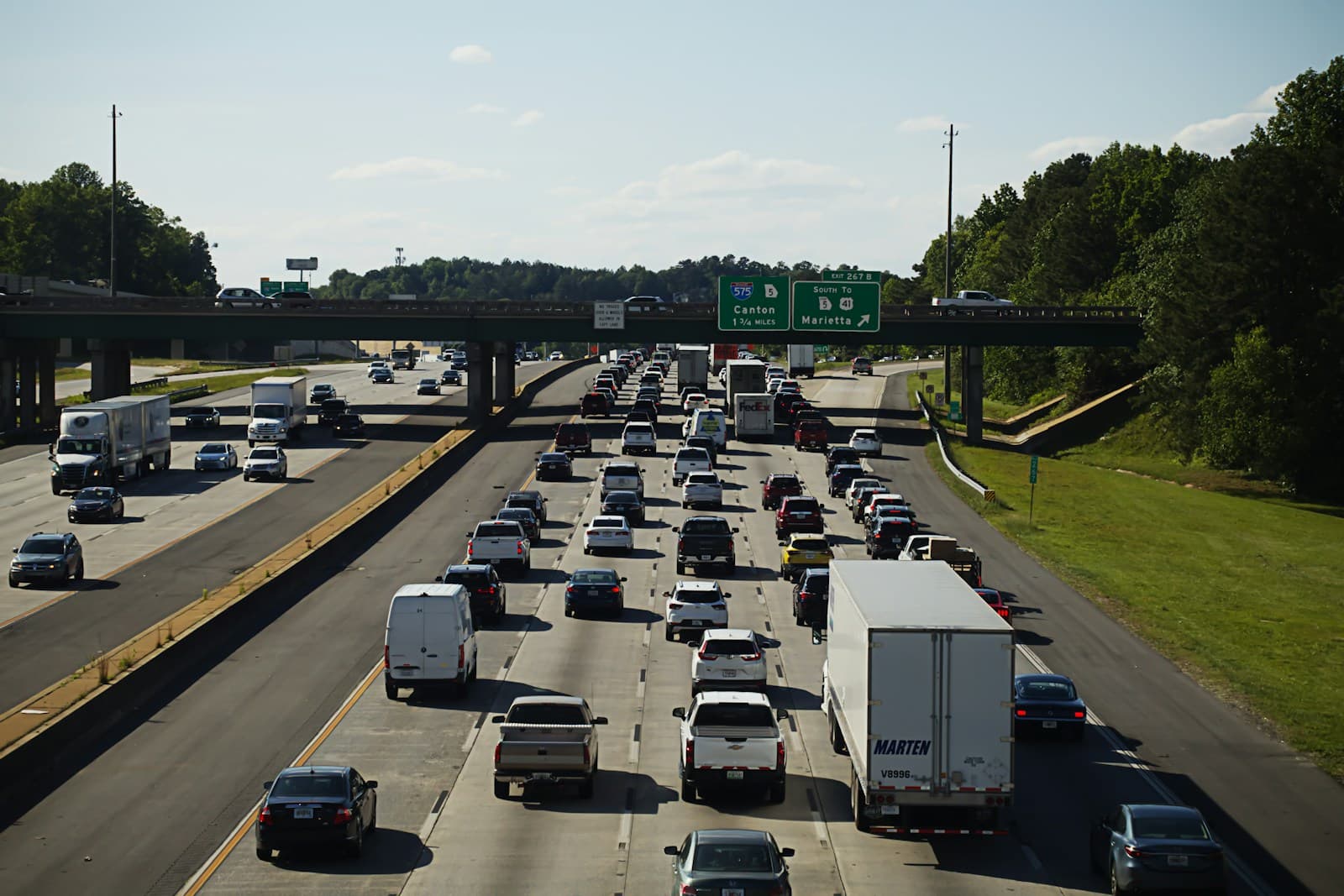
- I-94 Corridor Traffic Density: Kenosha sits on the I-94 corridor between Milwaukee and Chicago, generating higher traffic volumes and accident rates than rural Wisconsin communities. Carriers price violations more aggressively in this corridor because repeat-incident probability is elevated in high-density commuter zones.
- Kenosha County Court Disposition Patterns: Kenosha County courts handle thousands of traffic citations annually, and local attorneys often negotiate ticket reductions that lower point assessments. A 6-point reckless driving citation reduced to a 3-point defective speedometer can cut your rate increase significantly, as insurers price to the final disposition reported to Wisconsin DMV.
- Lake Michigan Winter Conditions: Kenosha's lakefront location creates localized ice and snow conditions from November through March, contributing to seasonal accident clusters. Drivers with existing at-fault accidents face steeper increases here than in southern Wisconsin because carriers factor winter collision frequency into risk models.
- Uninsured Driver Concentration: Kenosha County's uninsured motorist rate sits above the Wisconsin state average, which elevates uninsured motorist coverage costs for all drivers. If you have points on your record, bundling higher UM/UIM limits can trigger disproportionate premium increases compared to clean-record drivers in lower-density counties.
- Non-Standard Carrier Availability: Kenosha's proximity to Milwaukee expands access to non-standard carriers willing to write policies for drivers with multiple violations or lapses. Regional carriers like Badger Mutual and Direct Auto operate in the area and often offer better rates than national high-risk specialists for drivers with 3–9 points.

Compare rates from carriers that work with drivers who have points
Standard carriers surcharge heavily after violations. These specialists price your specific record differently.
Get Your Free QuoteCoverage Recommendations
Cost estimates are based on available industry data and vary by driver profile. These are not insurance quotes.
Liability Insurance
Wisconsin's minimum limits are $25,000 per person/$50,000 per accident for bodily injury and $10,000 property damage. Drivers with violations pay 40–80% more than clean-record drivers for these same minimums in Kenosha, and most lenders require higher limits if you're financing a vehicle.
$90–$160/mo with violationsEstimated range only. Not a quote.
Full Coverage
Full coverage bundles liability, collision, and comprehensive. In Kenosha, drivers with 3–6 points typically pay $150–$230/month, while those with 9+ points or recent DUIs see $220–$280/month. Rates drop as points age off your record—Wisconsin removes most violations after 5 years.
$150–$280/mo with pointsEstimated range only. Not a quote.
SR-22 Insurance
Wisconsin requires SR-22 only after specific suspensions—DUI, driving without insurance, or accumulating 12 points in 12 months. The SR-22 filing itself costs $25–$50, but the underlying violation typically doubles your premium. You must maintain continuous coverage for 3 years from the violation date or your license is re-suspended.
$200–$350/mo with SR-22Estimated range only. Not a quote.
Uninsured Motorist Coverage
Kenosha County's higher uninsured driver rate makes UM/UIM coverage more expensive than in rural Wisconsin. Drivers with violations already pay elevated base rates, and stacking UM coverage to $100,000/$300,000 adds another $15–$30/month, but protects you if an uninsured driver causes your next accident.
$15–$35/mo additionalEstimated range only. Not a quote.