What Affects Rates in Milwaukee
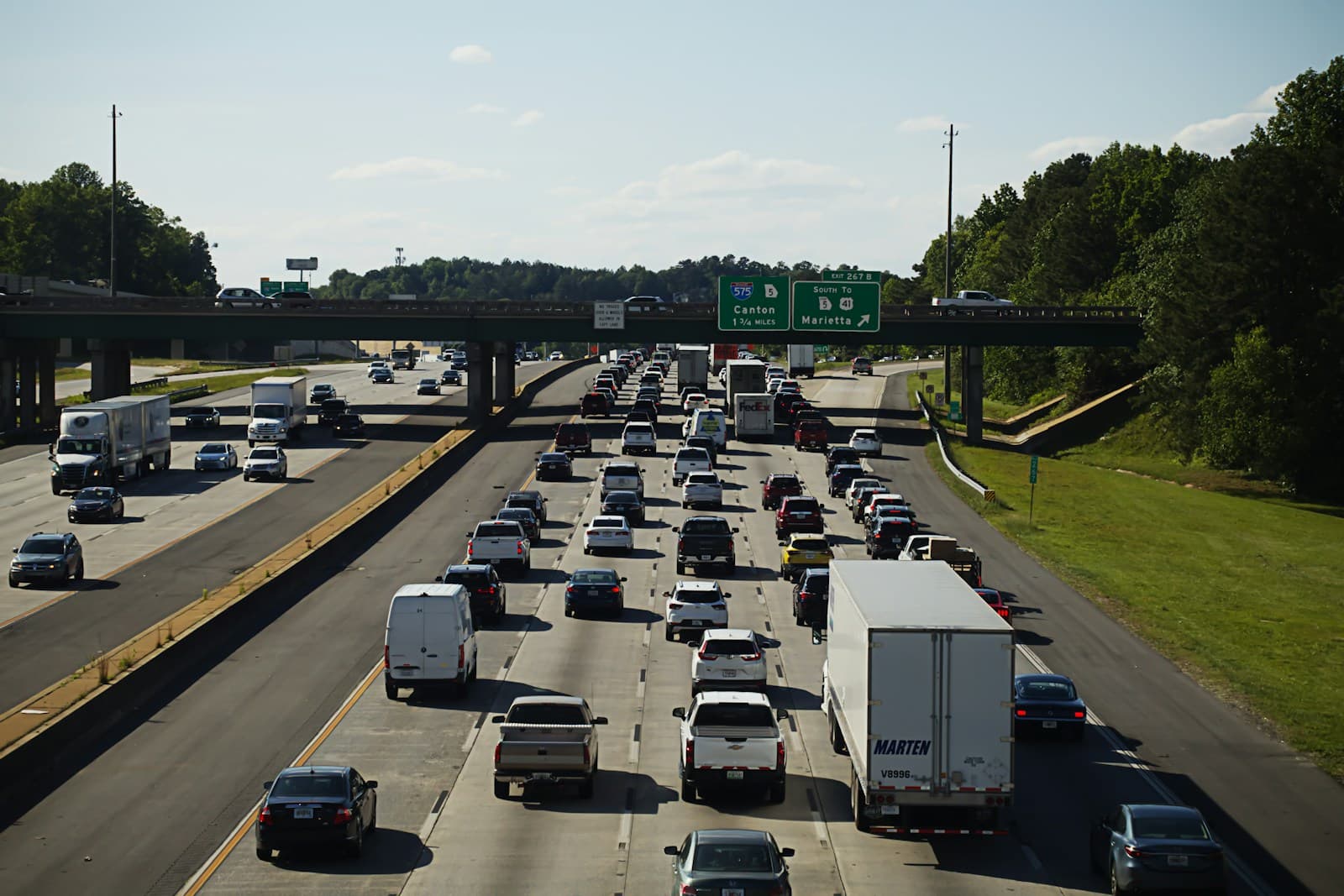
- I-94 and I-43 Corridor Accident Rates: Milwaukee's primary interstate corridors see elevated accident frequency, especially during winter months and rush hours. High-risk drivers with at-fault accidents on record face steeper premium increases when their zip code falls within the I-94 East-West corridor or I-43 lakefront zones, where claim density is higher.
- Wisconsin Point System and Suspension Threshold: Wisconsin suspends licenses at 12 points within 12 months. Common violations: speeding 20+ mph over (6 points), reckless driving (6 points), at-fault accident (6 points). Points stay on your record for 5 years but only count toward suspension for 12 months. Most point violations do not require SR-22 unless they result in suspension or OWI.
- Milwaukee County Court System and OWI Processing: Milwaukee County processes a high volume of OWI (Operating While Intoxicated) cases, which trigger mandatory SR-22 filing and ignition interlock requirements for first offenses with BAC over 0.15. Second offenses within 10 years result in 12–18 month license revocation and extended SR-22 periods.
- Winter Weather and Comprehensive Claims: Milwaukee averages 47 inches of snow annually, with freeze-thaw cycles from November through March. Drivers with prior at-fault accidents see higher comprehensive and collision premiums because carriers price in the elevated risk of winter-related claims in this region.
- Urban Density and Uninsured Motorist Exposure: Milwaukee's urban core has higher uninsured motorist rates compared to suburban Waukesha or Ozaukee counties. High-risk drivers should prioritize uninsured/underinsured motorist coverage, as a second at-fault accident or hit-and-run can push rates into non-standard territory or trigger policy non-renewal.

Compare rates from carriers that work with drivers who have points
Standard carriers surcharge heavily after violations. These specialists price your specific record differently.
Get Your Free QuoteCoverage Recommendations
Cost estimates are based on available industry data and vary by driver profile. These are not insurance quotes.
SR-22 Insurance
Required in Wisconsin for OWI convictions, driving after suspension, or multiple serious violations within 12 months. The SR-22 itself costs $25–$50 to file, but underlying high-risk premiums in Milwaukee typically run $185–$340/month. Coverage must remain continuous for 3 years; any lapse restarts the clock.
$185–$340/month plus $25–$50 filingEstimated range only. Not a quote.
Liability Insurance
Wisconsin minimums are 25/50/10, but high-risk drivers in Milwaukee should carry 100/300/100 to protect assets if involved in another at-fault accident. Minimum-limit policies often don't reduce premiums significantly for drivers with violations, and inadequate coverage can lead to personal liability in serious crashes on I-94 or I-43.
$120–$220/month for 100/300/100Estimated range only. Not a quote.
Non-Standard Auto Insurance
Carriers specializing in non-standard risk (drivers with multiple violations, suspensions, or lapses) operate throughout Milwaukee and often offer better rates than standard carriers declining to renew. Shopping non-standard markets is the highest-leverage action for drivers with 6+ points or recent at-fault accidents.
$185–$340/month typical rangeEstimated range only. Not a quote.
Uninsured Motorist Coverage
Approximately 14% of Wisconsin drivers are uninsured, with higher concentrations in urban Milwaukee County. For high-risk drivers, a hit-and-run or accident with an uninsured motorist can mean out-of-pocket costs and further rate increases. UM/UIM coverage is relatively inexpensive and critical in tort states.
$15–$35/month added costEstimated range only. Not a quote.