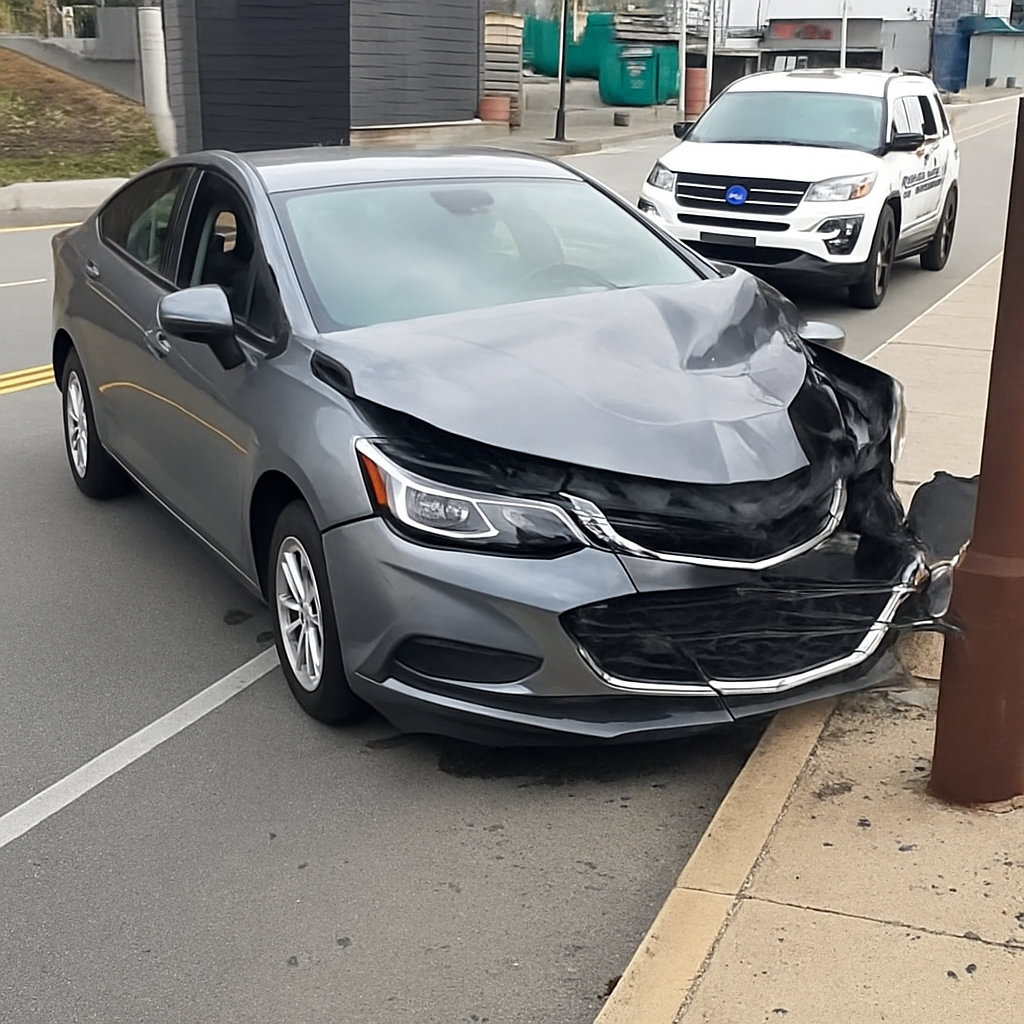
A hit and run conviction in Hawaii adds 6 points to your record and typically raises rates 70–95% for three years. Most drivers retain standard coverage eligibility — SR-22 is not required unless your license is suspended.
How Hawaii's Point System Treats Hit and Run Convictions
A hit and run conviction in Hawaii adds 6 points to your driving record under the state's Traffic Violations Bureau point schedule. Hawaii operates on a rolling 12-month point accumulation system: if you reach 12 or more points within any 12-month period, your license is automatically suspended. A single hit and run puts you halfway to suspension, which means any additional 6-point violation — or two 3-point speeding tickets — within the same year triggers a mandatory suspension.
The 6 points from a hit and run remain on your Hawaii driving record for five years from the conviction date, though they only count toward the 12-point suspension threshold during the first 12 months. This means your suspension risk expires after one year, but insurers continue to see the conviction — and price it in — for the full five-year period. Hawaii DMV does not offer point reduction through defensive driving courses for major violations like hit and run, so the points stay until the five-year mark.
If your hit and run conviction pushes you over the 12-point threshold, your license suspension triggers a separate insurance requirement: Hawaii requires you to file proof of financial responsibility (typically SR-22 or SR-22A) for three years following reinstatement. This is not automatic for the hit and run alone — it only applies if the conviction leads to suspension or if the court orders it as part of sentencing for aggravated circumstances. Hawaii SR-22 requirements
Rate Increases You Should Expect After a Hit and Run in Hawaii
Insurers treat hit and run as a major violation, often pricing it similarly to reckless driving or DUI. In Hawaii, expect your premium to increase 70–95% after a hit and run conviction, with the exact increase depending on your carrier, coverage limits, and whether you have prior violations. A driver paying $1,400 per year before the conviction would see their annual cost jump to $2,380–2,730 after the conviction posts to their record.
The rate penalty peaks immediately after the conviction and begins to decline after three years, though most insurers continue applying a surcharge until the five-year mark when the conviction falls off your record entirely. Standard carriers like State Farm, Geico, and Progressive typically keep you insured after a hit and run — you do not automatically move into the non-standard market unless you also have a suspension, SR-22 requirement, or multiple violations stacked within a short period.
Carrier shopping becomes essential after a hit and run because rate responses vary widely. One carrier may surcharge you 70% while another adds 110% for the identical conviction. Hawaii's competitive insurance market means you have realistic options to lower your cost even with the conviction active on your record, but you must compare quotes directly — relying on your current carrier's renewal rate after a hit and run almost always costs you more than switching.
Does a Hit and Run Require SR-22 in Hawaii?
Hawaii does not automatically require SR-22 filing for a hit and run conviction. SR-22 — technically called a Certificate of Financial Responsibility in Hawaii — is only mandated in specific situations: license suspension due to point accumulation, DUI conviction, driving without insurance, or court order as part of sentencing. If your hit and run conviction does not push you over the 12-point suspension threshold and the court does not specifically order SR-22, you continue with standard insurance and no filing requirement.
If your license is suspended following the hit and run, Hawaii requires you to file SR-22 for three years from your reinstatement date. This adds a filing fee of $15–35 (depending on your insurer) and typically raises your premium an additional 10–20% on top of the hit and run surcharge itself. Your insurer files the SR-22 electronically with Hawaii DMV, and you must maintain continuous coverage without any lapses — a single lapse triggers a notification to DMV and can result in immediate license re-suspension.
Most hit and run convictions in Hawaii do not cross into SR-22 territory unless the driver already has prior violations or points from other incidents. The distinction matters because SR-22 narrows your carrier options and extends your rate penalty timeline — standard carriers often non-renew policies once SR-22 is added, pushing you into the non-standard market where premiums run 40–80% higher than standard rates for equivalent coverage.
Which Carriers Write Coverage After a Hit and Run in Hawaii
Standard carriers like State Farm, Geico, Progressive, and USAA generally continue coverage after a hit and run conviction, though your renewal rate will reflect the major violation surcharge. These carriers underwrite hit and run as a serious but insurable event as long as you do not have additional violations, suspensions, or SR-22 requirements stacked on your record. If your hit and run is your only major violation in the past five years, you stay in the standard market.
If your hit and run triggers a suspension or SR-22 requirement, or if your current carrier non-renews your policy, you move into Hawaii's non-standard market. Non-standard carriers writing high-risk drivers in Hawaii include Bristol West, Acceptance Insurance, and National General. These carriers specialize in drivers with violations, suspensions, and SR-22 filings, but their rates typically run 30–60% higher than standard market rates for comparable coverage limits. Non-standard policies also carry higher down payments — often 20–30% of the six-month premium upfront.
Shopping your policy immediately after the conviction posts is the single highest-impact action you can take. Rate variation among carriers for a hit and run driver in Hawaii can exceed $1,000 per year, meaning the same coverage from a different carrier could save you 25–40% annually even with the conviction active. Multi-policy discounts, good student discounts, and telematics programs can further reduce your cost, though major violation surcharges usually limit discount eligibility in the first year after conviction. SR-22 insurance non-standard auto insurance
Steps to Lower Your Rate and Recover Standard Pricing
Your hit and run surcharge begins declining three years after the conviction date, with most carriers reducing the penalty by 30–50% at the three-year mark and removing it entirely after five years. This timeline is fixed — Hawaii does not allow point masking or conviction sealing for traffic violations, and defensive driving courses do not reduce points or accelerate the timeline for major violations like hit and run.
Maintaining continuous coverage without any lapses is critical. Insurers track coverage gaps closely, and a lapse of even one day after a major violation can result in immediate non-renewal or a policy cancellation, forcing you into the non-standard market where rates jump another 30–50%. If you are required to file SR-22, a lapse triggers automatic DMV notification and license suspension, restarting your three-year filing requirement from zero.
Re-shop your policy annually starting one year after the conviction. Carrier appetite for drivers with violations shifts frequently, and a carrier that quoted you high in year one may offer competitive pricing in year two as the violation ages. Bundling home and auto, increasing your deductible from $500 to $1,000, and enrolling in usage-based insurance programs like Snapshot or DriveEasy can lower your premium by 10–20% even with the hit and run conviction active. The rate penalty is temporary — your record clears completely five years after conviction, and your premium returns to clean-record pricing once the conviction falls off.