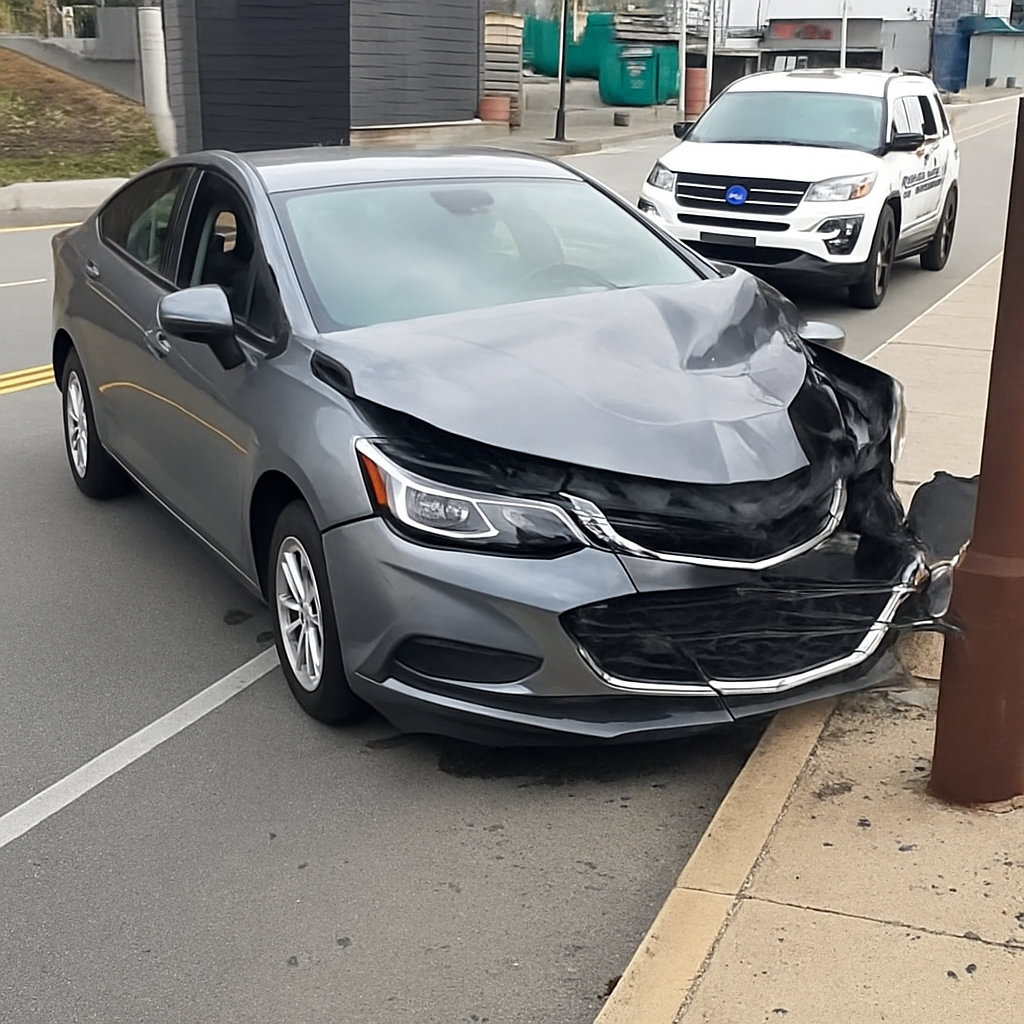
Hawaii treats uninsured driving as a petty misdemeanor that adds points to your record and triggers mandatory SR-22 filing. Here's what you'll pay to get covered again and how long the filing requirement lasts.
What Happens to Your Record When You Drive Uninsured in Hawaii
Hawaii treats driving without insurance as a petty misdemeanor under HRS §431:10C-104. A first offense typically results in a $500 fine and 4 points added to your driving record, though fines can reach up to $1,000 for repeat offenses. The state also suspends your vehicle registration until you provide proof of insurance and pay reinstatement fees.
The 4-point violation stays on your Hawaii driving record for 5 years from the conviction date, not the citation date. This matters because insurers can see and rate for the violation during that entire period, even after your SR-22 requirement ends. Hawaii uses a 12-point suspension threshold for drivers over 18, meaning a single uninsured driving conviction puts you one-third of the way toward losing your license.
Beyond the points, Hawaii requires you to file SR-22 proof of financial responsibility for 3 years following the conviction. The SR-22 filing itself is not a point violation, but it flags you as a high-risk driver to every insurer who runs your record. You cannot legally drive in Hawaii without active SR-22 coverage during this period, and any lapse triggers an automatic license suspension and restarts the 3-year clock. SR-22 insurance requirements in Hawaii
How Much Car Insurance Costs After an Uninsured Driving Conviction
An uninsured driving conviction in Hawaii typically increases your insurance rates by 50–90% over what a clean-record driver pays. The increase comes from two sources: the 4-point violation itself and the SR-22 filing requirement. Most standard carriers either decline coverage entirely or move you to a non-standard policy with significantly higher premiums.
Hawaii's average annual premium for full coverage is approximately $1,400 for clean-record drivers. After an uninsured driving conviction, expect to pay $2,100–$2,660 annually, or $175–$220 per month. If you have additional violations or points already on your record, rates can exceed $3,000 annually. The SR-22 filing fee itself is typically $25–$50, paid once at initial filing and once more if you change carriers during the required period.
Your rate will not return to baseline until both the points fall off your record (5 years) and you complete the SR-22 requirement (3 years). However, most insurers begin reducing your surcharge after year 2 if you maintain continuous coverage without additional violations. Shopping for coverage immediately after conviction is critical — rate differences between carriers for the same driver profile can exceed 40% in Hawaii's non-standard market.
Which Carriers Write Policies After Uninsured Driving in Hawaii
Standard carriers like GEICO, State Farm, and Allstate typically decline new applicants with recent uninsured driving convictions in Hawaii. Most drivers in this situation need to work with non-standard or high-risk carriers that specialize in SR-22 filings and point violations. Carriers actively writing SR-22 policies in Hawaii include Progressive, National General, and The General, though availability varies by county and individual risk profile.
Non-standard carriers evaluate more than just your conviction date. They consider how many points you currently have, whether you've had prior lapses in coverage, and whether you own or lease your vehicle. Drivers who can demonstrate 6+ months of continuous coverage before the lapse typically qualify for better rates than those with longer uninsured periods. Some carriers also offer small rate reductions if you complete a defensive driving course, though Hawaii does not allow point reduction through driver education.
Brokers and independent agents who specialize in high-risk insurance often have access to regional carriers not available through direct-to-consumer channels. These carriers may offer more competitive rates for drivers with single violations compared to the national non-standard carriers. Expect to provide additional documentation during the application process, including your SR-22 form filed with the Hawaii DMV and proof of vehicle registration reinstatement.
How to File SR-22 and Reinstate Your Hawaii License
Hawaii requires you to obtain an SR-22 certificate from an insurance carrier licensed to write policies in the state. The insurer files the SR-22 electronically with the Hawaii Department of Transportation, not the DMV. You cannot file SR-22 yourself — it must come directly from the carrier. Once filed, the state typically processes the SR-22 within 3–5 business days, though delays can occur if there are outstanding fines or registration issues.
Before your license or registration can be reinstated, you must pay all outstanding fines, complete any required court appearances, and maintain continuous SR-22 coverage. Hawaii charges a $12 reinstatement fee for license suspensions related to insurance violations, plus additional fees if your vehicle registration was suspended. If your SR-22 lapses at any point during the 3-year requirement, the state immediately suspends your license and registration again, and the 3-year clock restarts from the date you refile.
You must maintain SR-22 coverage for the full 3-year period even if you stop driving, sell your vehicle, or move out of state temporarily. If you move permanently to another state, you'll need to transfer your SR-22 requirement to that state and follow their filing rules. The only way to end the requirement early is if the court that issued the original order vacates or reduces the requirement, which is rare and typically requires an attorney.
When Your Rates Start to Drop and Points Fall Off
Your uninsured driving conviction remains on your Hawaii driving record for 5 years from the conviction date. Insurers can see and rate for the violation during this entire period, though most reduce the surcharge incrementally after year 2. Expect your rate to drop by approximately 10–15% at each renewal once you pass the 2-year mark, assuming no new violations occur.
The SR-22 requirement ends after 3 years of continuous coverage, but this does not automatically restore your rates to clean-record levels. The 4-point violation itself continues to affect your premiums until it falls off your record at the 5-year mark. Once the SR-22requirement ends, you can switch to a standard carrier if your overall point total is below 6 and you have no other major violations. This is when shopping again becomes critical — staying with a non-standard carrier after SR-22 ends often means paying 20–30% more than necessary.
Hawaii does not allow point reduction through defensive driving courses, but maintaining a clean record during the 5-year period significantly improves your rate recovery timeline. Drivers who complete the full 3-year SR-22 period without additional violations typically qualify for standard carrier policies again within 6 months of the SR-22end date, even if the points haven't fully aged off yet.
What to Do If You Can't Afford Coverage Right Now
Hawaii requires minimum liability coverage of 20/40/10: $20,000 per person for bodily injury, $40,000 per accident, and $10,000 for property damage. You cannot legally drive without meeting these minimums while under SR-22 requirement. If you cannot afford a standard policy, consider state minimum liability-only coverage, which is significantly cheaper than full coverage and satisfies both SR-22 and legal requirements.
Some non-standard carriers offer pay-per-mile or usage-based policies that reduce monthly premiums if you drive fewer than 7,500 miles annually. These policies still provide SR-22 filing and meet state minimums, but charge based on actual mileage rather than estimated annual use. If you do not own a vehicle but still need SR-22 to reinstate your license, a non-owner SR-22 policy costs $300–$500 annually in Hawaii and provides liability coverage when you drive borrowed or rental vehicles.
Do not let your SR-22 coverage lapse under any circumstance. A single day without active coverage triggers an automatic suspension and restarts the 3-year requirement from scratch. If you're struggling to make payments, contact your carrier immediately to discuss payment plans or coverage adjustments before the policy cancels. Most non-standard carriers offer monthly payment options, though they typically add a $5–$10 installment fee per payment. SR-22 filing process