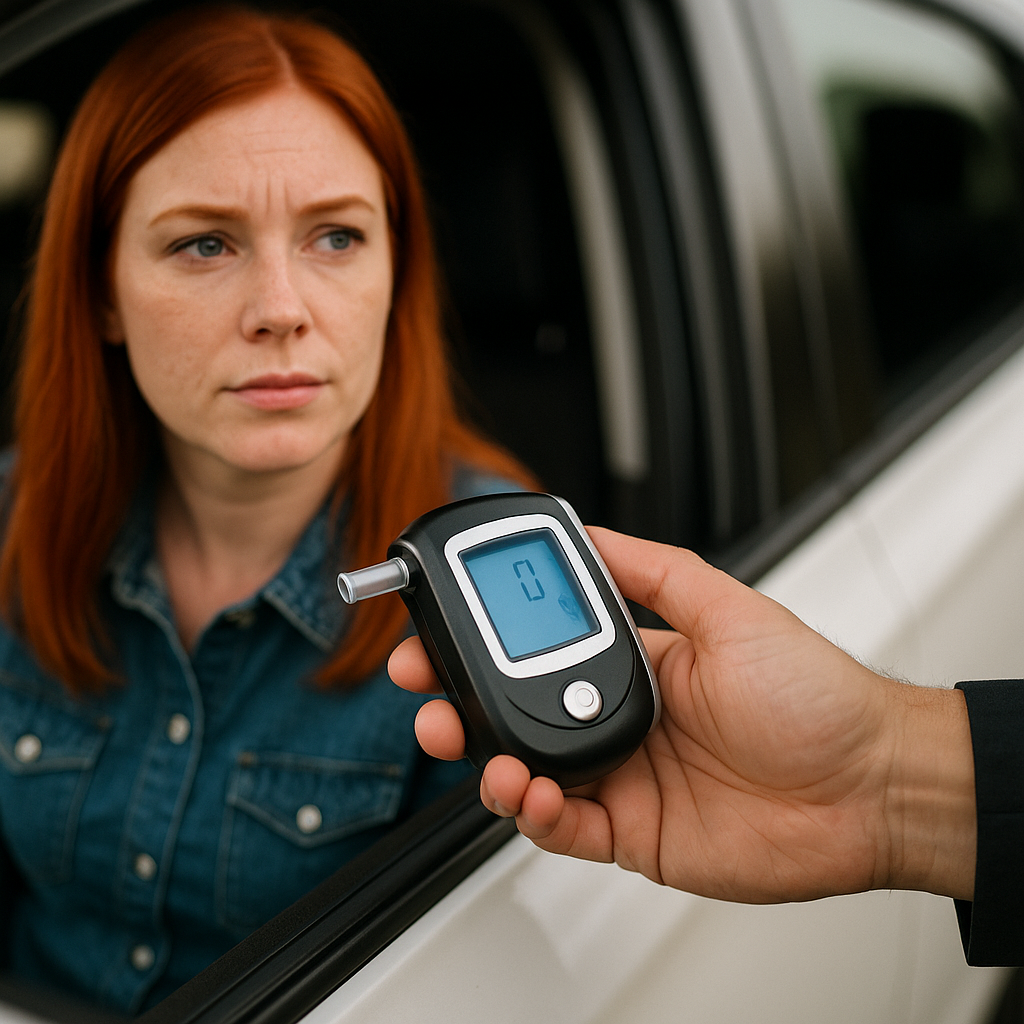
Hawaii insurers treat reckless driving as a major violation, typically raising premiums 30–50% for three years. The state's point system adds 6 points, but SR-22 is rarely required unless your license was suspended.
How Hawaii Insurers Price Reckless Driving Violations
Reckless driving in Hawaii is a petty misdemeanor under HRS §291-2, and carriers classify it as a major moving violation — not as severe as DUI, but significantly worse than speeding. Expect a premium increase of 30–50% for three years from the conviction date, though the exact jump depends on your carrier, driving history, and coverage limits. A driver paying $1,200 annually before the violation will likely see premiums climb to $1,560–$1,800 per year.
Hawaii's point system assigns 6 points for reckless driving, the highest single-event penalty outside of DUI-related offenses. Points remain on your abstract for three years and feed directly into carrier underwriting models during renewal. If you accumulate 12 or more points within 12 months, the state triggers an Administrative Driver's License Revocation, which does introduce SR-22 requirements — but a standalone reckless citation without other violations does not cross that threshold.
Most national carriers — GEICO, Progressive, State Farm — will renew your policy after reckless driving, but they reprice you into their non-standard or preferred-risk tiers. Some captive agents may non-renew at the end of your term, particularly if you have prior violations. Regional insurers like Island Insurance and First Insurance Company of Hawaii are more accustomed to Hawaii point profiles and may offer more competitive post-violation rates than mainland carriers unfamiliar with the local risk pool. Hawaii SR-22 insurance requirements non-standard auto insurance
When Reckless Driving Triggers SR-22 in Hawaii
Hawaii does not automatically require SR-22 for a reckless driving conviction. SR-22 becomes mandatory only when the ADLRO suspends or revokes your license, which typically happens after accumulating 12 points in 12 months, 18 points in 24 months, or following a second major violation within three years. A single reckless citation without a license action does not trigger filing requirements.
If your license is suspended and you need SR-22, Hawaii carriers file electronically with the state for a one-time fee of $15–$25, far lower than mainland averages. The filing itself does not raise your premium — the underlying violation already did that — but you must maintain continuous coverage for the duration specified by ADLRO, typically three years. A lapse in coverage restarts the clock and extends your filing period.
Drivers who receive reckless citations alongside other violations — failure to yield, speeding 30+ over, or prior at-fault accidents — are more likely to cross the point threshold and face suspension. If you're uncertain whether your case triggered an ADLRO action, check your abstract through the Hawaii District Court Abstract Office or call ADLRO directly at (808) 768-7900. Most drivers learn of suspension through certified mail, but not all do.
How Long Reckless Driving Affects Your Hawaii Rates
Carriers surcharge reckless driving for three years from the conviction date, not the citation date. If you delayed your court appearance or negotiated a continuance, the clock starts when the judge enters the conviction, which may be months after the ticket was issued. After three years, the violation drops off your insurance record and your premium returns to standard rates, assuming no additional violations.
Points remain on your Hawaii abstract for three years as well, but insurance surcharges and abstract retention periods are separate timelines. A violation may still appear on your court record indefinitely, but insurers only pull three- to five-year Motor Vehicle Records during underwriting. After the surcharge period ends, the rate impact disappears even if the conviction remains visible on public records.
Some carriers — particularly non-standard insurers like Bristol West or Acceptance — offer step-down pricing after 18–24 months of clean driving. If you avoid new violations, request a re-rate or shop for new quotes at the two-year mark. Loyalty does not reward high-risk drivers the way it rewards clean-record customers; competitive shopping is the fastest path back to standard premiums.
Finding Coverage After Reckless Driving in Hawaii
Most Hawaii drivers with a single reckless citation will be renewed by their current carrier, though at a higher premium. If your insurer non-renews you or the quoted increase exceeds 60%, start shopping immediately. National carriers like Progressive and GEICO write non-standard auto policies in Hawaii and are often more price-competitive than local agencies for drivers with violations.
Regional carriers — Island Insurance, First Insurance, DTRIC — have deeper familiarity with Hawaii's point system and may price reckless driving less aggressively than mainland underwriters. Request quotes from at least three carriers, including one regional and two national options. Rates for the same driver with the same violation can vary by $500–$1,000 annually depending on the carrier's risk appetite and book composition.
If you're dropped entirely or placed into assigned risk, Hawaii operates a residual market through the Hawaii Automobile Insurance Plan (HAIP). HAIP is expensive — typically 50–100% higher than voluntary market rates — and should be a last resort. Most drivers with reckless citations will find voluntary coverage if they shop aggressively, particularly after the first 12 months when initial underwriting concerns ease.
Steps to Reduce Rate Impact in Hawaii
You cannot remove a reckless driving conviction from your record, but you can reduce its insurance impact. Hawaii allows drivers to attend traffic school to mask certain violations, but reckless driving does not qualify for dismissal or masking under HRS §291D-9. The conviction stays visible to insurers for the full three-year surcharge period.
What does help: raising your deductible, dropping collision or comprehensive on older vehicles, and bundling home or renters insurance with your auto policy. A $250 to $500 deductible increase can offset 10–15% of a post-violation premium increase. If you drive a vehicle worth under $5,000, removing physical damage coverage entirely eliminates the surcharge on those coverages, though liability surcharges remain.
After 12 months of no new violations, request a policy review or re-shop your coverage. Carriers reprice risk annually, and some will reduce surcharges incrementally if you remain claim- and violation-free. Defensive driving courses certified by the National Safety Council do not erase points in Hawaii, but some insurers offer 5–10% discounts for completion — confirm eligibility with your carrier before enrolling.
Understanding Hawaii's Point System and Suspension Thresholds
Hawaii assigns points based on violation severity: 6 points for reckless driving, 4 points for speed contests or racing, 2–4 points for most moving violations. Your license faces administrative suspension if you accumulate 12 points in 12 months, 18 points in 24 months, or 24 points in 36 months. A single reckless citation puts you halfway to the 12-month threshold but does not trigger suspension on its own.
If you receive a second major violation — another reckless charge, excessive speeding, or DUI — within three years, ADLRO will likely suspend your license and require SR-22. At that stage, your insurance costs compound: the surcharge for the second violation, the SR-22 filing requirement, and potential placement into non-standard or assigned risk tiers.
Points do not affect your rates directly — insurers pull conviction data from your Motor Vehicle Record, not your point total — but the state uses points to decide whether to suspend your license, and suspension creates the SR-22 requirement that amplifies insurance costs. Monitor your point balance through the District Court Abstract Office, especially if you have prior violations approaching the three-year drop-off date. check your state's point system