What Affects Rates in Kailua
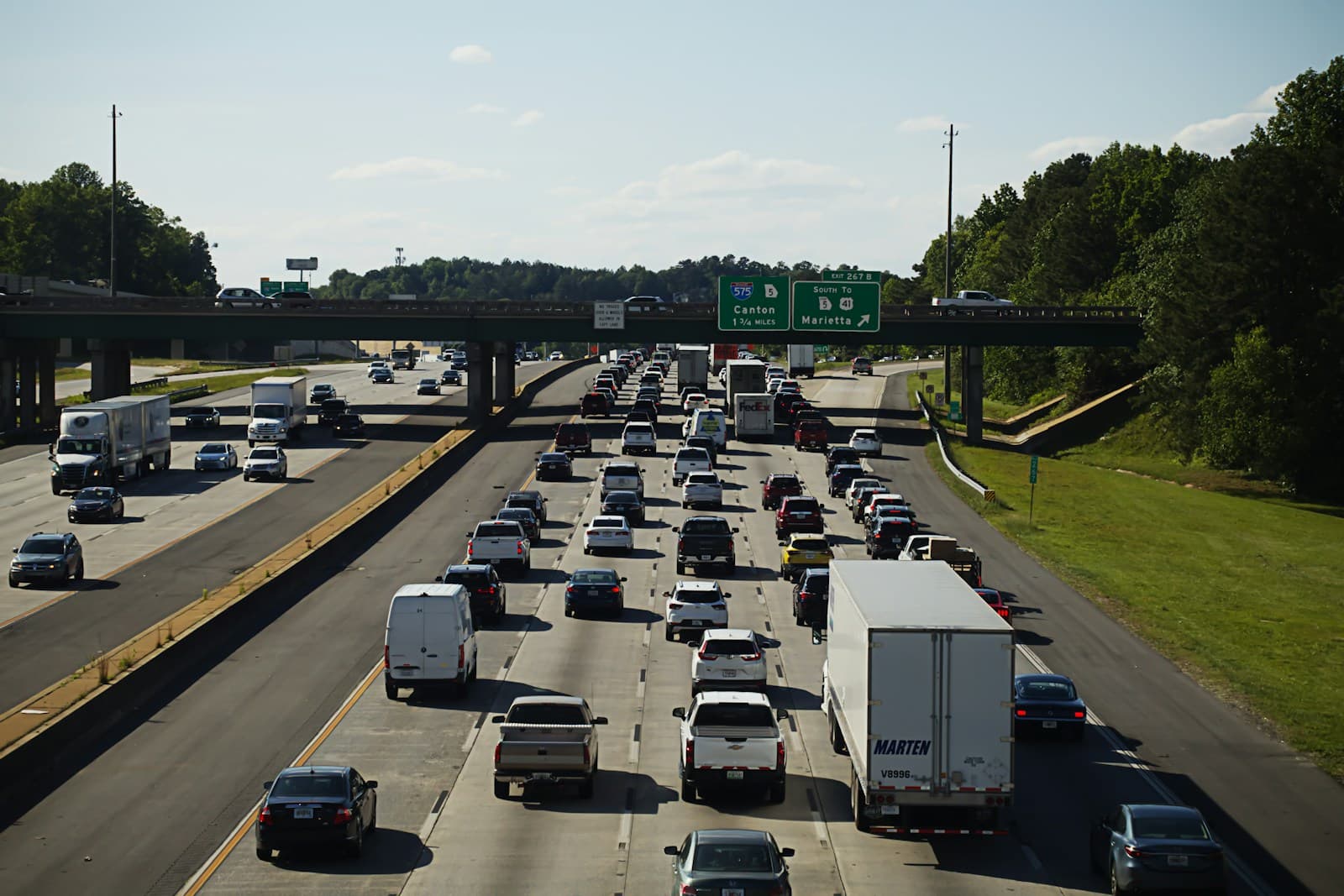
- Kailua Road and Kalanianaʻole Highway Tourist Congestion: Kailua draws heavy beach traffic year-round, creating stop-and-go conditions along Kailua Road and Kalanianaʻole Highway especially during weekends and holidays. Drivers with prior at-fault accidents face higher collision premiums here due to elevated rear-end and lane-change incident rates in tourist-dense corridors.
- Limited Carrier Competition on Windward Oahu: Fewer non-standard and high-risk carriers operate physical offices on Windward Oahu compared to Honolulu, meaning Kailua drivers with violations often face narrower in-person options and may need to work with Honolulu-based agents or direct online carriers. This reduced competition can keep premiums elevated unless drivers shop statewide providers.
- Hawaii No-Fault PIP Mandate: Hawaii requires $10,000 minimum Personal Injury Protection regardless of fault history, and high-risk drivers in Kailua pay 40–80% more for PIP than clean-record drivers due to assumed claims frequency. This no-fault structure means your violation history inflates every coverage component, not just liability.
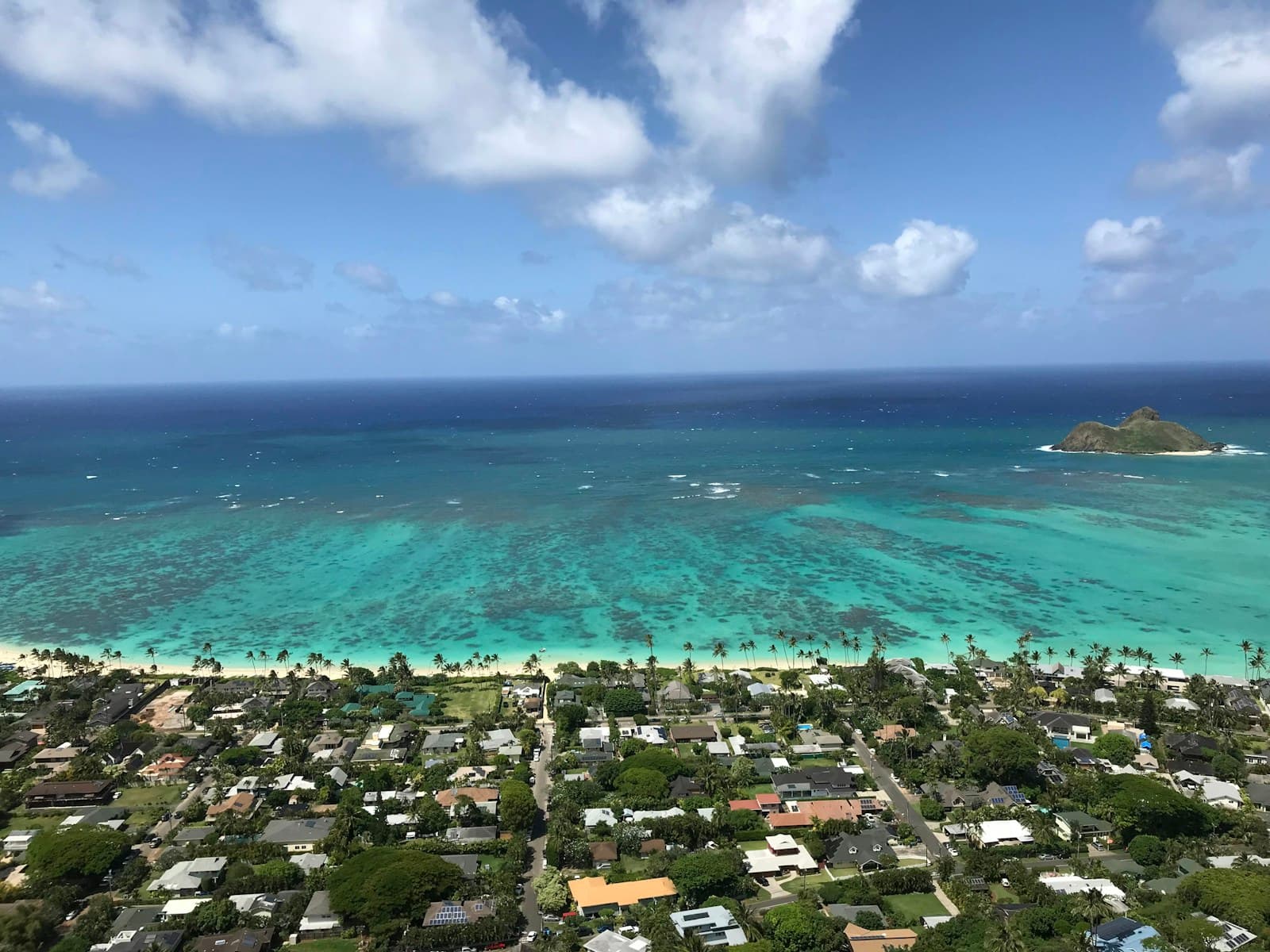
- Beach Parking and Pedestrian Zones: Kailua Beach Park and Lanikai Beach attract heavy foot and bike traffic, and carriers assign higher risk to drivers with moving violations in pedestrian-heavy zones. A prior speeding or reckless driving citation results in steeper premiums when your garaging address is near high-activity beach access points.
- Tropical Weather and Road Conditions: Kailua's frequent rain showers create slick roadways, particularly on older asphalt near Kawainui Marsh and residential feeder streets. Drivers with prior at-fault accidents see higher comprehensive and collision premiums here due to weather-related loss frequency on Windward Oahu.
Compare rates from carriers that work with drivers who have points
Standard carriers surcharge heavily after violations. These specialists price your specific record differently.
Get Your Free QuoteCoverage Recommendations
Cost estimates are based on available industry data and vary by driver profile. These are not insurance quotes.
SR-22 Insurance
Hawaii requires SR-22 for DUI, reckless driving, driving without insurance, or license suspension — not for standard speeding tickets or minor violations. The SR-22 itself is a $25–$50 filing, but underlying high-risk premiums in Kailua run $1,800–$3,600/year depending on violation severity and carrier.
$25–$50 filing + elevated premiums for 3 yearsEstimated range only. Not a quote.
Liability Insurance
Hawaii minimums are $20,000 bodily injury per person / $40,000 per accident / $10,000 property damage, but high-risk drivers in Kailua should consider $100,000/$300,000/$100,000 to offset lawsuit exposure in tourist-heavy accident zones. Liability premiums increase 50–120% after a DUI or at-fault accident.
$900–$2,000/year for state minimums post-violationEstimated range only. Not a quote.
Uninsured Motorist Coverage
Hawaii's 7–9% uninsured driver rate means collision risk with uncovered motorists is real, and carriers charge high-risk drivers 30–60% more for UM/UIM due to perceived claims likelihood. In Kailua's tourist corridors, rental and out-of-state drivers add another layer of coverage uncertainty.
$200–$500/year added cost post-violationEstimated range only. Not a quote.
Full Coverage
Full coverage (liability + collision + comprehensive + PIP) for a high-risk driver in Kailua typically runs $2,400–$4,800/year. Coastal proximity and tropical weather raise comprehensive costs, while tourist traffic elevates collision premiums for drivers already carrying points or a DUI.
$2,400–$4,800/year with violation historyEstimated range only. Not a quote.