What Affects Rates in Fort Wayne
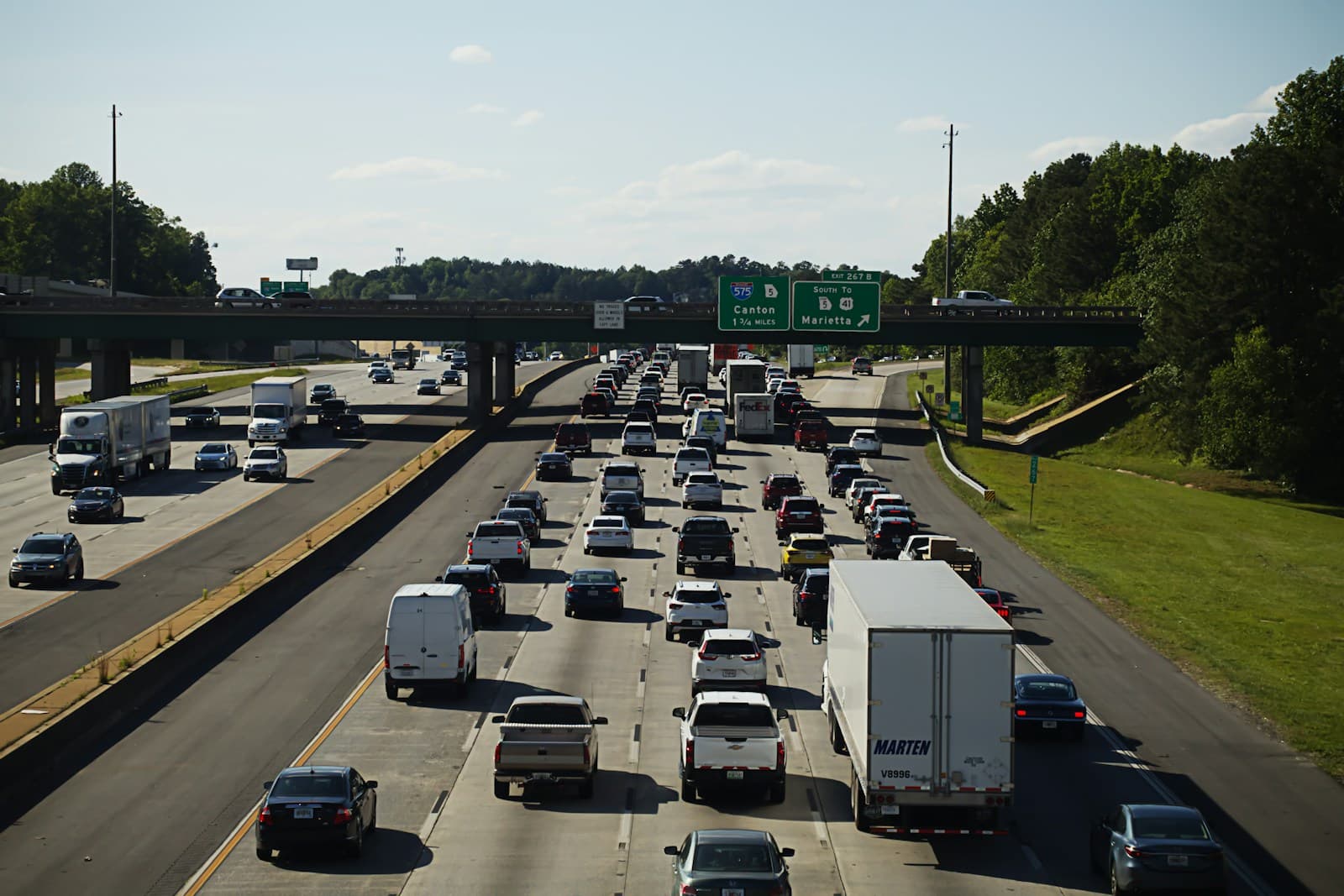
- Urban Accident Concentration Along I-69 and US-30 Corridors: Fort Wayne's primary interstate corridors—I-69 running north-south and US-30 cutting east-west—see elevated accident frequency during commute hours, particularly near the downtown interchange and Jefferson Boulevard exits. Drivers with existing violations face steeper rate increases in zip codes near these corridors (46805, 46802, 46808) due to higher claim frequency in these zones.
- Allen County Uninsured Driver Rate: Allen County carries an uninsured driver rate above Indiana's state average of approximately 13–15%, concentrated in Fort Wayne's urban core. High-risk drivers pay more for uninsured motorist coverage here because carriers price in the elevated probability of hit-and-run or uninsured at-fault claims, which are more common when the other driver also lacks compliant coverage.
- Winter Weather Claim Patterns: Fort Wayne averages 33 inches of snow annually, with frequent freeze-thaw cycles creating black ice conditions on I-469 and Coliseum Boulevard. Carriers track winter accident spikes here; drivers with prior at-fault accidents see higher comprehensive and collision premiums because insurers view them as less likely to adjust driving behavior in adverse conditions.
- Allen Superior Court BMV Reporting: Traffic violations processed through Allen Superior Court are reported to the Indiana BMV within 10 business days, triggering point assessment and carrier notification. High-risk drivers in Fort Wayne should expect rate adjustments within 30–45 days of conviction, as local court reporting is consistent and rapid compared to rural Indiana counties where processing lags.
- Non-Standard Carrier Presence: Fort Wayne supports multiple non-standard and high-risk specialty carriers due to its size as Indiana's second-largest city, giving drivers with violations more rate competition than smaller markets. Shopping between standard carriers who still accept moderate violations and dedicated high-risk insurers can yield rate differences of $40–$80/month for the same coverage profile.

Compare rates from carriers that work with drivers who have points
Standard carriers surcharge heavily after violations. These specialists price your specific record differently.
Get Your Free QuoteCoverage Recommendations
Cost estimates are based on available industry data and vary by driver profile. These are not insurance quotes.
Liability Insurance
Indiana's minimum liability limits ($25k/$50k/$25k) are often inadequate after a violation—if you cause another accident, your existing at-fault history makes you a higher lawsuit target. High-risk drivers in Fort Wayne should consider $100k/$300k/$100k to avoid personal asset exposure, particularly in accidents involving multiple vehicles on I-69 or Coldwater Road.
$90–$180/month for higher limits with violationsEstimated range only. Not a quote.
SR-22 Insurance
SR-22 is a certificate your insurer files with the Indiana BMV proving continuous coverage, required for 3 years after DUI, driving while suspended, or repeat violations. The filing itself costs $50 one-time, but underlying premiums run $140–$280/month in Fort Wayne because only non-standard carriers write SR-22 policies and they price for maximum risk.
$140–$280/month plus $50 filingEstimated range only. Not a quote.
Uninsured Motorist Coverage
Allen County's above-average uninsured driver rate makes UM/UIM coverage critical for high-risk drivers who cannot afford another at-fault claim. If an uninsured driver hits you, this coverage pays your medical bills and vehicle damage without adding points or raising your rates further—a vital buffer when you are already in a premium penalty period.
$20–$45/month additionalEstimated range only. Not a quote.
Full Coverage
Full coverage (liability + collision + comprehensive) for high-risk drivers in Fort Wayne runs $160–$320/month depending on vehicle value and violation severity. Collision is often the most expensive component post-violation because carriers assume higher probability of repeat at-fault accidents; raising your collision deductible to $1,000 can cut $30–$50/month from premiums.
$160–$320/month with moderate deductiblesEstimated range only. Not a quote.