What Affects Rates in Kansas City
- Wyandotte County Uninsured Driver Concentration: Kansas has a 12% uninsured motorist rate statewide, with urban counties like Wyandotte showing higher concentrations. High-risk drivers face elevated uninsured motorist coverage premiums because carriers price for the increased collision risk when other drivers lack insurance.
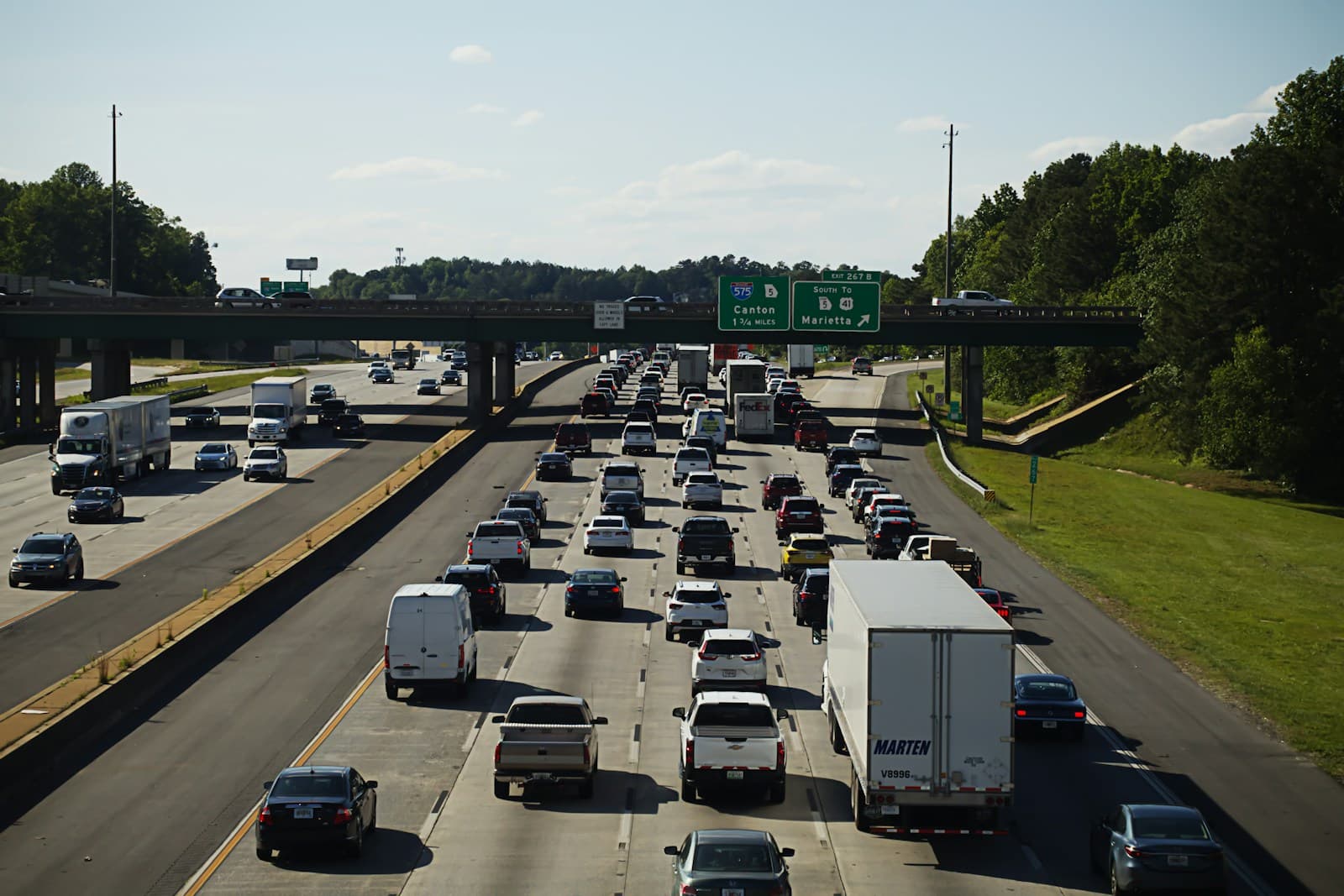
- I-70 and I-35 Corridor Accident Frequency: Kansas City sits at the convergence of I-70 and I-35, two high-volume interstate corridors with elevated accident rates tied to commercial truck traffic and commuter density. Drivers with existing violations pay more here than in rural Kansas counties because accident exposure directly influences loss projections.
- Kansas Point System and Suspension Triggers: Kansas suspends licenses after 3 moving violations in 12 months or accumulation of 12 points in 3 years. Common violations like speeding 15+ over add 2 points; reckless driving adds 8. Points remain on your record for 3 years but stop affecting insurance rates after 2 years for most carriers.
- Downtown and Urban Core Density: Drivers with violations living in downtown Kansas City or densely populated ZIP codes like 66101, 66102, and 66106 pay higher premiums than suburban counterparts due to parking claims, theft rates, and higher per-mile accident frequency in urban grid zones.
- Winter Weather Claim Patterns: Kansas City averages 17 inches of snow annually, with winter weather contributing to multi-vehicle accidents on I-435 and surface streets. High-risk drivers with at-fault accident history face higher comprehensive and collision premiums because insurers price for repeat claim probability during ice and snow events.

Compare rates from carriers that work with drivers who have points
Standard carriers surcharge heavily after violations. These specialists price your specific record differently.
Get Your Free QuoteCoverage Recommendations
Cost estimates are based on available industry data and vary by driver profile. These are not insurance quotes.
SR-22 Insurance
Kansas requires SR-22 for DUI convictions, license suspensions for points or unpaid tickets, and driving without insurance citations. The SR-22 itself costs $25–$50 to file, but underlying liability insurance for SR-22 drivers in Kansas City runs $180–$350/month depending on violation severity and carrier.
$180–$350/mo typical with filingEstimated range only. Not a quote.
Liability Insurance
Kansas mandates 25/50/25 minimums ($25,000 per person injury, $50,000 per accident, $25,000 property damage). High-risk drivers in Kansas City with violations should expect liability-only premiums of $140–$220/month; many non-standard carriers require higher limits like 50/100/50 for approval.
$140–$220/mo for minimum coverageEstimated range only. Not a quote.
Full Coverage
Full coverage (liability + collision + comprehensive) for drivers with DUIs or multiple violations in Kansas City typically costs $240–$450/month. Carriers price collision coverage aggressively for at-fault accident history, especially in urban zones with higher claim frequency.
$240–$450/mo with violation historyEstimated range only. Not a quote.
Uninsured Motorist Coverage
Kansas does not mandate uninsured motorist coverage but recommends it given the 12% statewide uninsured rate. High-risk drivers in Kansas City pay $30–$60/month to add UM/UIM coverage, providing protection when hit by drivers without insurance—common in Wyandotte County accidents.
$30–$60/mo additionalEstimated range only. Not a quote.