What Affects Rates in Cambridge
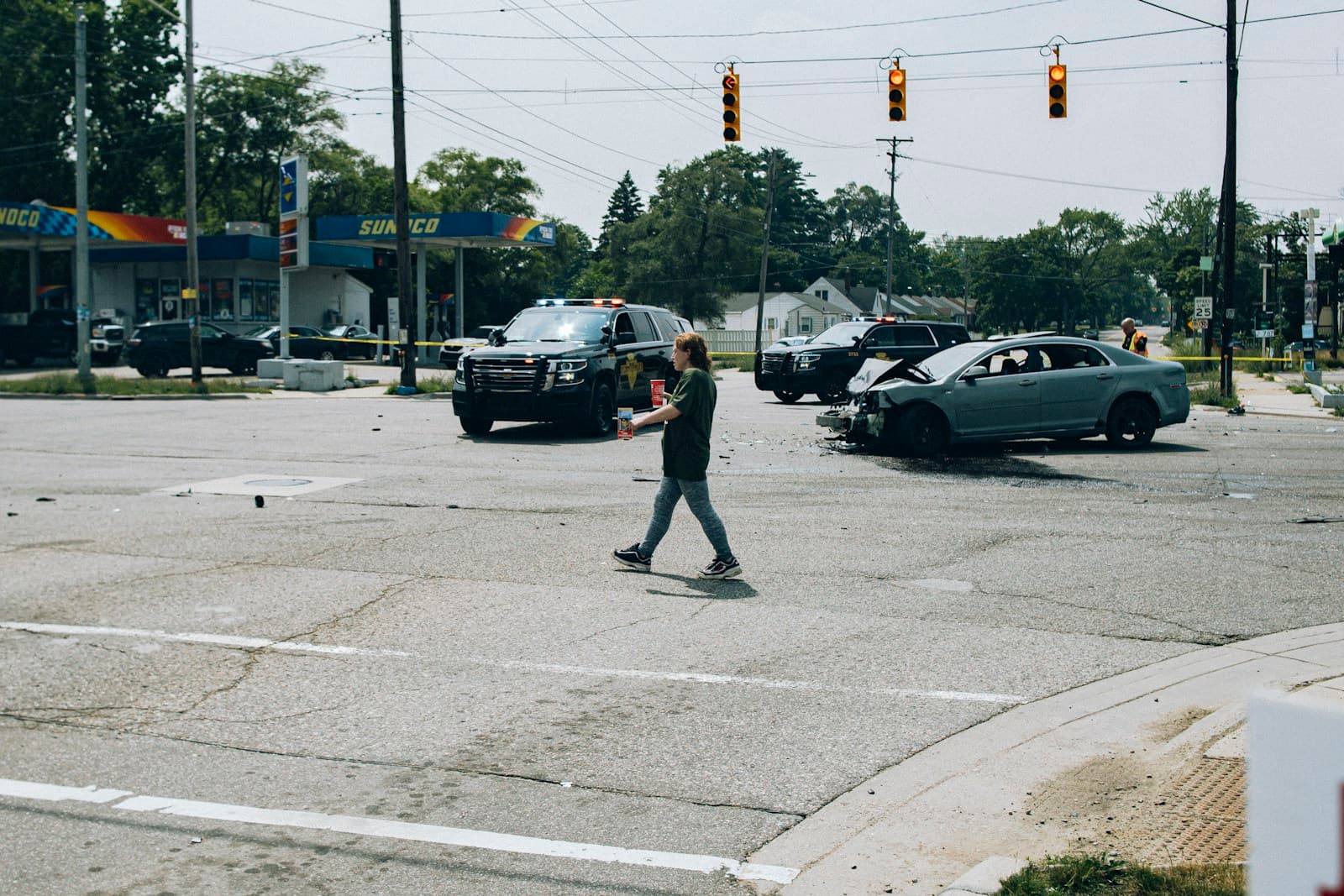
- Harvard Square and Central Square Accident Clusters: Cambridge's highest accident concentrations occur in Harvard Square and Central Square, where pedestrian traffic, cyclists, and vehicle congestion intersect. Drivers with existing violations living or commuting through these zones face elevated collision premiums due to heightened risk of additional incidents.
- Massachusetts Merit Rating System: Massachusetts uses a merit rating system where surchargeable incidents add points that increase premiums for 6 years from the incident date, not the conviction date. A major at-fault accident or DUI conviction can add 5 points, raising premiums by 25–50% or more in Cambridge's already-expensive urban market.
- Public Transit Access and Vehicle Use Patterns: Cambridge's extensive MBTA access means some high-risk drivers can reduce premiums by declaring lower annual mileage or designating vehicles as pleasure-use only. Carriers reward reduced exposure, and Cambridge's walkable density supports lower-mileage profiles better than car-dependent suburbs.
- Snow and Weather-Related Claims: Cambridge winters bring snow accumulation and icy conditions that elevate accident risk, particularly for drivers with existing violations who may already be on thin ice with their carriers. A second weather-related claim within the surcharge period can push premiums into non-standard territory or trigger non-renewal.
- High Uninsured Motorist Risk in Metro Boston: While Massachusetts has relatively low uninsured rates statewide, metro Boston's density increases the absolute number of uninsured encounters. High-risk drivers should carry uninsured/underinsured motorist coverage at higher limits to protect against out-of-pocket costs if hit by an uninsured driver while already paying elevated premiums.
Compare rates from carriers that work with drivers who have points
Standard carriers surcharge heavily after violations. These specialists price your specific record differently.
Get Your Free QuoteCoverage Recommendations
Cost estimates are based on available industry data and vary by driver profile. These are not insurance quotes.
Liability Insurance
Massachusetts requires minimum liability limits of $20,000/$40,000 bodily injury and $5,000 property damage, but drivers with violations should carry $100,000/$300,000 or higher. A second at-fault incident with inadequate coverage can lead to personal asset exposure and further license complications in Cambridge's high-cost legal environment.
$1,200–$2,800/year after violationsEstimated range only. Not a quote.
SR-22 Insurance
SR-22 is a certificate proving financial responsibility required by Massachusetts RMV after license suspension for DUI, refusing a breathalyzer, or accumulating excessive violations. The filing itself costs $25–$50, but the underlying violations typically triple premiums in Cambridge for the 3-year filing period.
$25–$50 filing + 200–300% rate increaseEstimated range only. Not a quote.
Full Coverage
Full coverage (liability + collision + comprehensive) is essential for Cambridge drivers with loans or leases, but premiums jump sharply after violations. Expect $2,400–$4,800/year in Cambridge after a DUI or major at-fault accident, versus $1,400–$2,200 for clean-record drivers in the same ZIP codes.
$2,400–$4,800/year post-violationEstimated range only. Not a quote.
Uninsured Motorist Coverage
Massachusetts requires uninsured/underinsured motorist coverage at the same limits as your liability coverage unless you reject it in writing. For high-risk drivers already paying elevated premiums, this coverage is critical—getting hit by an uninsured driver means you'll file a claim under your own policy, risking another surcharge if mishandled.
Required unless waived; 10–15% of liability costEstimated range only. Not a quote.