What Affects Rates in Reno
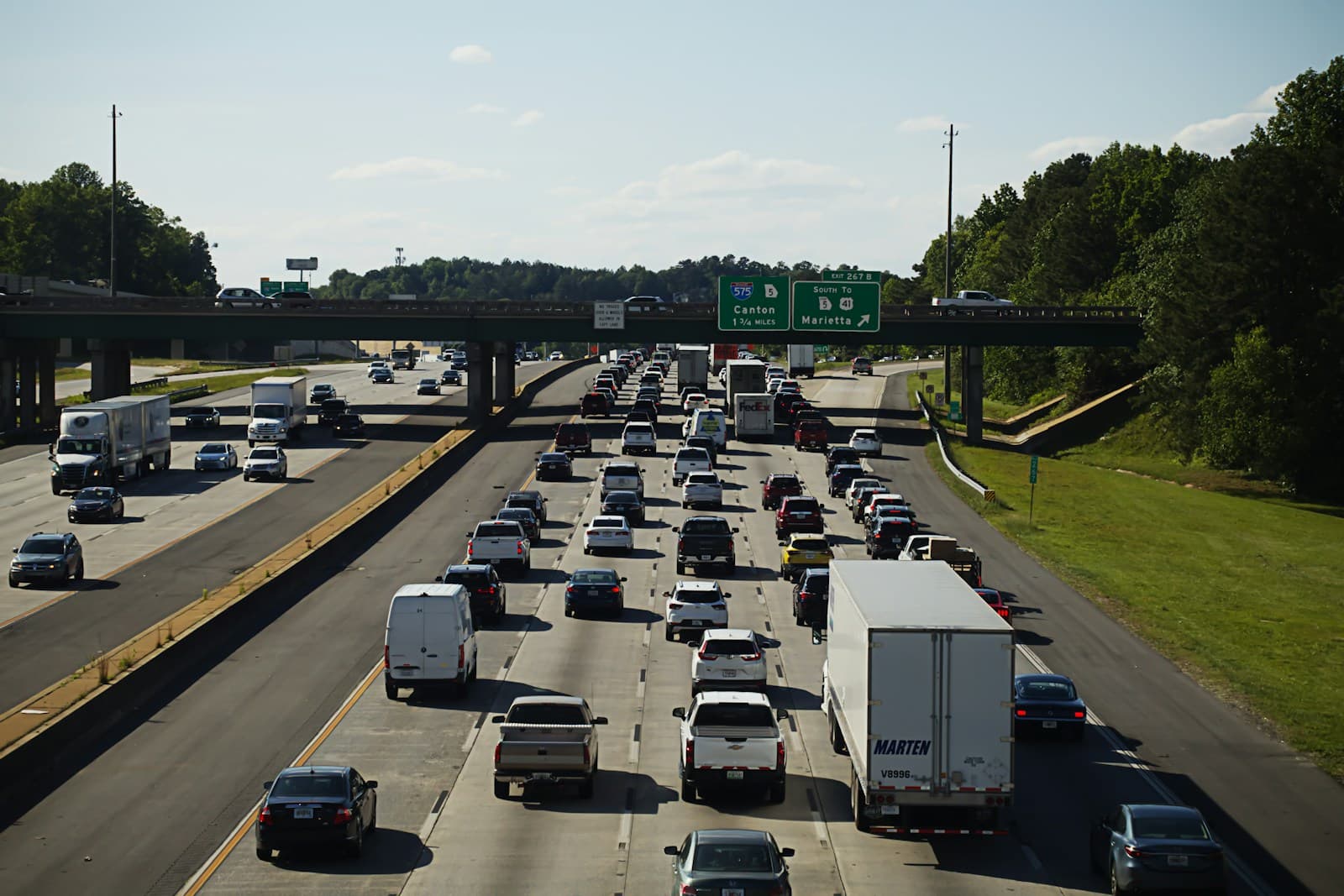
- I-80 and US-395 Corridor Congestion: Reno sits at the intersection of I-80 and US-395, creating dense commuter and freight traffic that contributes to higher accident frequency. Drivers with existing violations face steeper rate increases in Reno compared to rural Nevada due to concentrated crash risk along these arterials.
- Elevated Uninsured Driver Rates: Washoe County, which includes Reno, has uninsured motorist rates above Nevada's state average, meaning high-risk drivers often pay more for uninsured/underinsured motorist coverage to offset collision risk from uninsured drivers. Carriers price this exposure into base premiums for drivers already flagged as high-risk.
- Winter Driving Conditions on Mt. Rose Highway: Reno's proximity to Sierra Nevada passes means seasonal ice, snow, and reduced visibility on routes like Mt. Rose Highway (SR-431). Drivers with at-fault accidents or reckless driving citations see compounded rate penalties due to insurer assessment of weather-related risk exposure.
- DUI Enforcement in Downtown and Midtown Districts: Reno's casino district and Midtown bar corridor see concentrated DUI enforcement and checkpoints. Drivers with DUI convictions face Nevada's mandatory SR-22 requirement for three years, and local conviction rates contribute to insurer risk models specific to Washoe County zip codes.
- Tourism and Rental Vehicle Traffic: Reno's casino tourism generates significant rental vehicle and unfamiliar driver traffic, particularly around downtown and the Reno-Tahoe Airport area. High-risk drivers see elevated premiums in zip codes with higher non-resident accident claims, as insurers factor in collision frequency with transient drivers.

Compare rates from carriers that work with drivers who have points
Standard carriers surcharge heavily after violations. These specialists price your specific record differently.
Get Your Free QuoteCoverage Recommendations
Cost estimates are based on available industry data and vary by driver profile. These are not insurance quotes.
SR-22 Insurance
Nevada requires SR-22 filing for DUI convictions, reckless driving, driving without insurance, and accumulating 12+ demerit points in 12 months. The SR-22 itself costs $15–$25 to file, but underlying high-risk premiums in Reno typically run $175–$350/month for the mandatory 3-year filing period.
$175–$350/month (based on available industry data; individual rates vary)Estimated range only. Not a quote.
Liability Insurance
Nevada mandates minimum liability limits of $25,000 per person/$50,000 per accident for bodily injury and $20,000 for property damage. High-risk drivers in Reno often face difficulty finding coverage at state minimums; carriers may require higher limits or charge disproportionately more for minimum coverage due to elevated risk profile.
State minimum often insufficient; higher limits recommendedEstimated range only. Not a quote.
Uninsured Motorist Coverage
Uninsured motorist coverage protects against drivers without insurance, a significant concern in Washoe County where uninsured rates exceed state averages. High-risk drivers should prioritize UM/UIM coverage at limits matching liability, as at-fault history does not affect UM claim eligibility but collision with an uninsured driver compounds financial exposure.
Recommended at liability-matching limitsEstimated range only. Not a quote.
Non-Standard Auto Insurance
Non-standard carriers specialize in high-risk drivers and often provide the only accessible coverage options after DUI, multiple violations, or lapses. In Reno, non-standard insurers including national high-risk specialists and regional carriers offer policies when standard carriers decline; expect 6-month policy terms and monthly payment requirements.
Primary market for drivers with SR-22 or multiple violationsEstimated range only. Not a quote.