What Affects Rates in Sparks
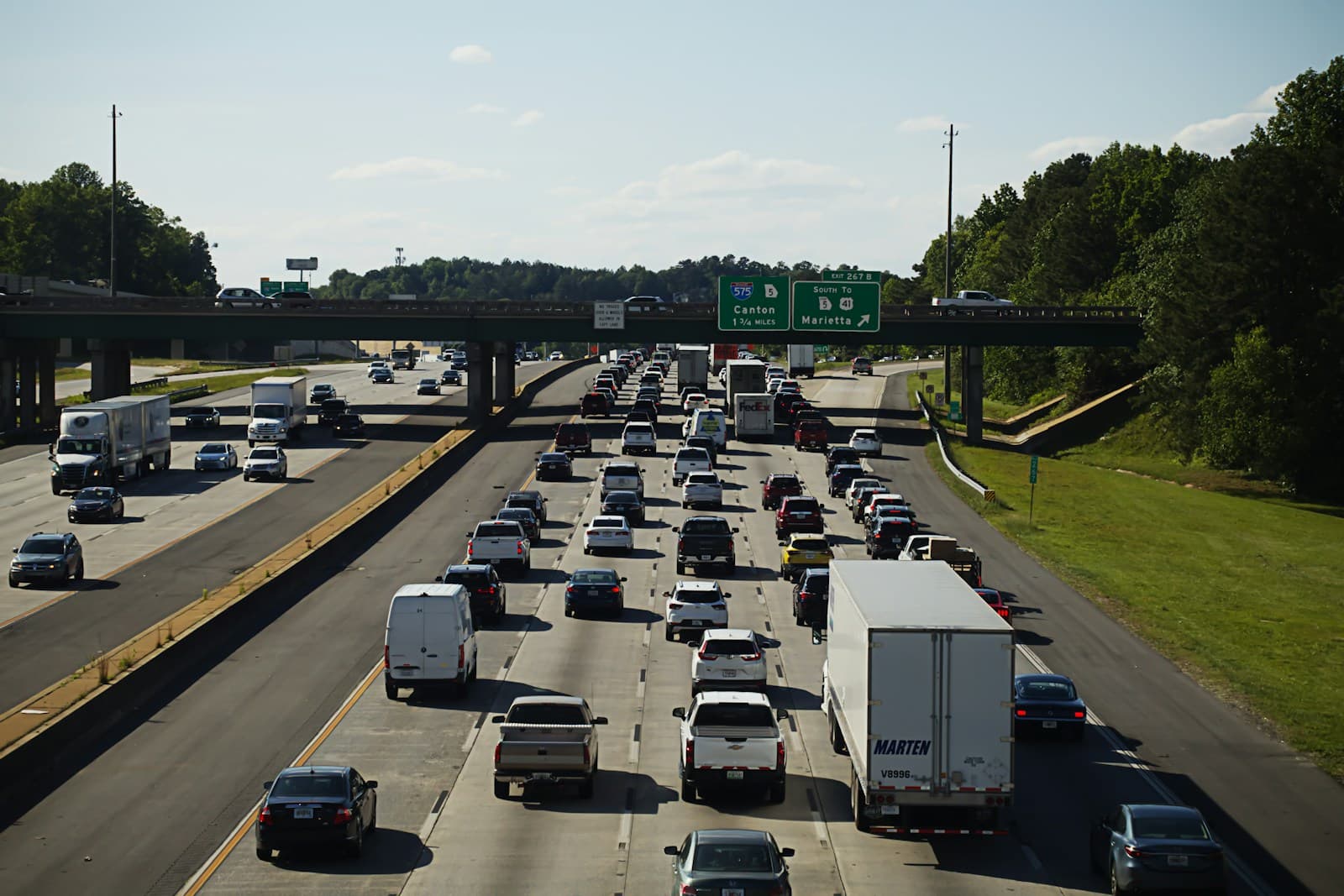
- I-80 and Pyramid Highway Accident Corridors: The I-80 corridor through Sparks and the Pyramid Highway interchange see elevated accident rates tied to commuter volume and mixed commercial traffic. Drivers with existing violations living or working near these zones often face higher non-standard premiums due to localized claims frequency.
- Washoe County Court System and Point Accumulation: Nevada's point system assigns 1–8 points per violation; speeding 1–10 mph over carries 1 point, while 11–20 mph over carries 2 points. Accumulating 12 points in 12 months triggers a six-month suspension, and carriers raise rates immediately upon point assignment — not just at renewal.
- High Desert Weather and Year-Round Visibility: Sparks' high desert climate produces sudden dust storms, winter ice on elevated roads, and glare conditions during sunrise and sunset commutes along east-west routes. Drivers with prior at-fault accidents in weather-related incidents may see steeper comprehensive and collision rate increases.
- Proximity to Reno and Shared Risk Pool: Sparks shares a metropolitan statistical area with Reno, meaning local carriers pool risk data across both cities. Reno's higher urban density and nightlife-related DUI rates can influence underwriting models for Sparks ZIP codes, particularly near the border areas along McCarran Boulevard.
- Uninsured Motorist Rate in Washoe County: Nevada's estimated uninsured driver rate sits near 11–13%, with Washoe County tracking close to that average. Drivers with existing violations benefit from adding uninsured motorist coverage, as a second not-at-fault claim with an uninsured party can still affect renewal pricing in the non-standard market.
Compare rates from carriers that work with drivers who have points
Standard carriers surcharge heavily after violations. These specialists price your specific record differently.
Get Your Free QuoteCoverage Recommendations
Cost estimates are based on available industry data and vary by driver profile. These are not insurance quotes.
SR-22 Insurance
Required in Nevada for DUI convictions, driving without insurance, accumulating excessive points leading to suspension, or court-ordered proof of financial responsibility. The SR-22 is a certificate your insurer files with the Nevada DMV; the filing fee is $15–$25, but premiums rise 50–150% depending on the underlying violation.
$125–$240/month typical rangeEstimated range only. Not a quote.
Liability Insurance
Nevada requires $25,000 bodily injury per person, $50,000 per accident, and $20,000 property damage. Drivers with violations should consider $50,000/$100,000/$50,000 minimums, as at-fault accidents with state minimums often leave personal assets exposed — and a second at-fault claim can make coverage unaffordable.
$80–$160/month with violationsEstimated range only. Not a quote.
Uninsured Motorist Coverage
Given Washoe County's uninsured driver rate near 11–13%, this coverage protects drivers with existing violations from a second rate-affecting incident caused by an uninsured party. Nevada does not require it, but non-standard carriers often recommend it to avoid compounding premium increases.
$15–$35/month add-onEstimated range only. Not a quote.
Non-Standard Auto Insurance
Carriers specializing in non-standard or high-risk policies operate in Sparks and often provide the only coverage option after a DUI, suspension, or multiple violations. These policies cost 40–120% more than standard rates but allow drivers to maintain legal compliance and begin rate recovery after points begin to fall off.
$1,500–$2,880/year typicalEstimated range only. Not a quote.