What Affects Rates in Charlotte
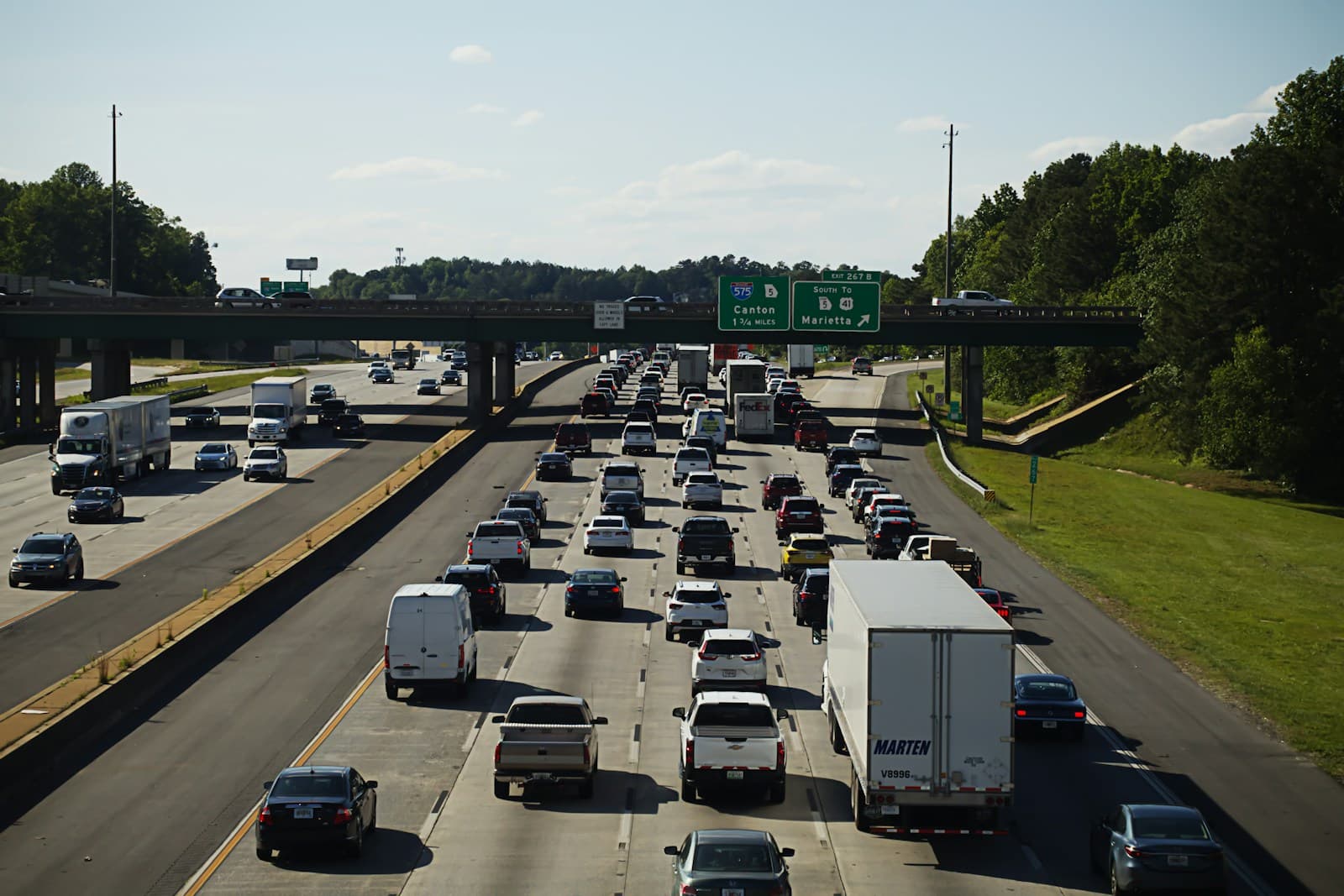
- I-77 and I-85 Corridor Congestion: Charlotte sits at the intersection of two major interstate corridors with heavy commercial and commuter traffic. High-risk drivers commuting through these zones face elevated premiums due to collision frequency and the increased likelihood of multi-vehicle incidents during peak hours.
- Mecklenburg County Accident Rates: Mecklenburg County reports higher-than-state-average crash rates per capita, driven by Charlotte's urban density and rapid population growth. Insurers price this into high-risk policies, particularly for drivers with at-fault accidents already on record.
- Uninsured Driver Concentration: North Carolina's uninsured motorist rate hovers near 7%, but urban centers like Charlotte see higher concentrations. High-risk drivers should prioritize uninsured motorist coverage, as a second incident with an uninsured driver can compound rate increases.
- Charlotte-Mecklenburg Court Processing: Traffic violations processed through Mecklenburg County courts may offer Prayer for Judgment Continued (PJC) options, which can prevent insurance points if granted. High-risk drivers contesting tickets or negotiating outcomes benefit from understanding this local mechanism.
- Weather and Seasonal Driving Conditions: Charlotte experiences ice storms and sudden winter weather that lead to spikes in weather-related accidents. Drivers with existing violations who add a weather-related at-fault claim face compounded rate increases due to pattern underwriting.

Compare rates from carriers that work with drivers who have points
Standard carriers surcharge heavily after violations. These specialists price your specific record differently.
Get Your Free QuoteCoverage Recommendations
Cost estimates are based on available industry data and vary by driver profile. These are not insurance quotes.
SR-22 Insurance
Required for DUI convictions, license reinstatement after suspension, or driving without insurance in North Carolina. The SR-22 certificate itself costs $50 and must be maintained for 3 years; lapses trigger license re-suspension and restart the filing period.
$50 filing + higher premiumsEstimated range only. Not a quote.
Liability Insurance
North Carolina mandates 30/60/25 minimums, but high-risk drivers in Charlotte should consider 100/300/100 to protect assets in at-fault incidents, especially on congested routes like I-277 and I-485 where multi-vehicle accidents are common.
$1,200–$2,400/year for minimumEstimated range only. Not a quote.
Uninsured Motorist Coverage
Critical in Charlotte due to higher urban uninsured driver rates. Covers medical costs and vehicle damage when an at-fault driver lacks insurance, preventing out-of-pocket expenses that compound financial strain for drivers already paying high-risk premiums.
$150–$400/year addedEstimated range only. Not a quote.
Full Coverage
Combines liability, collision, and comprehensive. High-risk drivers financing vehicles in Charlotte must carry full coverage, with annual costs often reaching $3,000–$5,000 depending on violation severity and vehicle value.
$3,000–$5,000/yearEstimated range only. Not a quote.