What Affects Rates in Lancaster
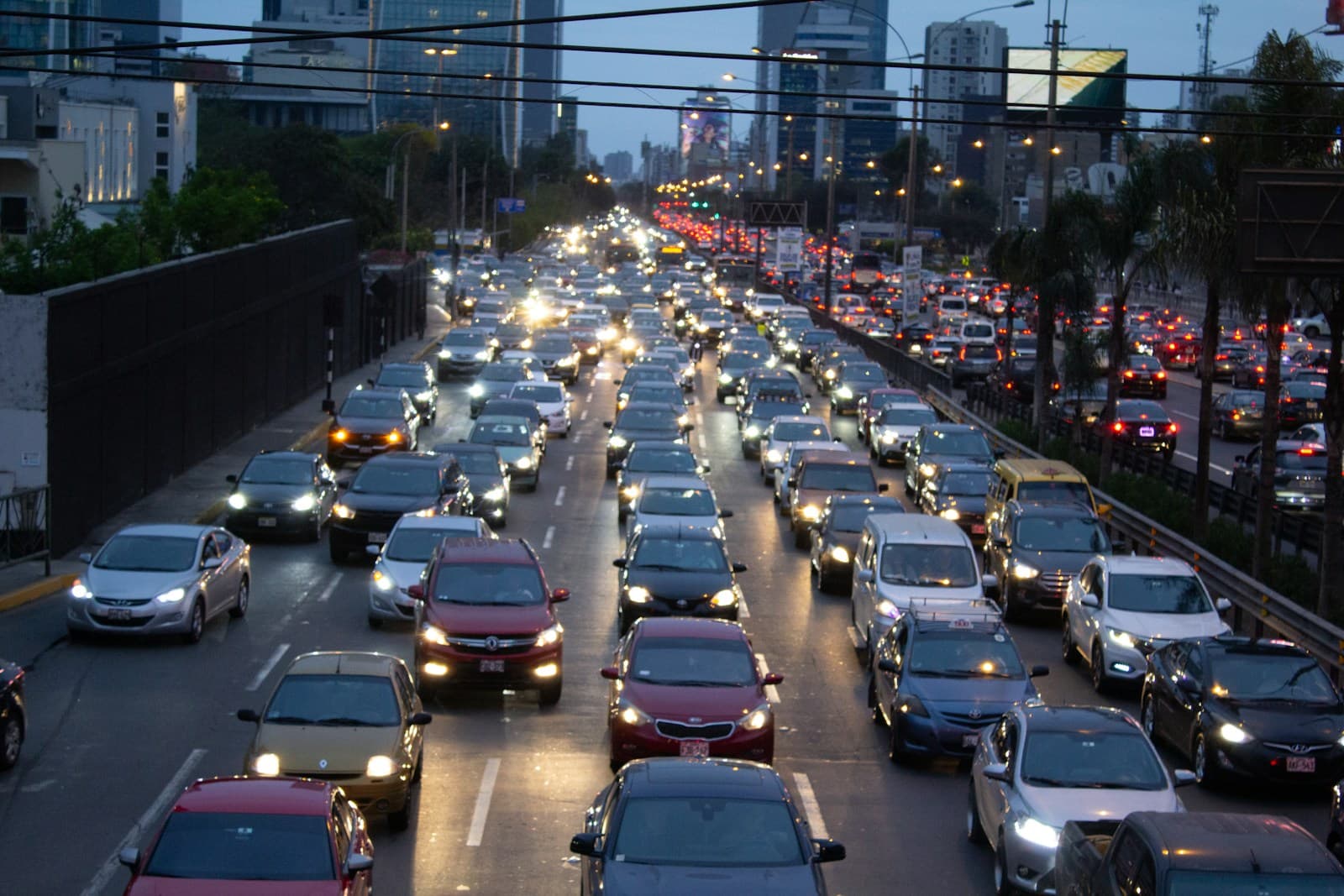
- Route 30 and Route 283 Accident Concentration: Lancaster's two primary east-west corridors see elevated accident rates during commute hours, particularly at the Route 30/222 interchange and Route 283 merge points. High-risk drivers with at-fault accidents face steeper increases here than in rural Pennsylvania counties due to higher claim frequency in these corridors.
- Amish Buggy Traffic Collision Risk: Lancaster County has the largest Amish population in Pennsylvania, with thousands of buggies sharing rural roads with motor vehicles daily. Insurers factor buggy-related collision risk into premiums, and drivers with existing violations see compounded rate increases due to elevated underwriting concern in these mixed-traffic areas.
- Urban-Rural Premium Split: Lancaster city proper has higher vandalism and theft claim rates than surrounding townships like East Lampeter and Manheim, creating a 15–25% premium gap for comprehensive coverage. High-risk drivers living in the city's southeast and northwest neighborhoods typically pay more than those in outlying areas with identical violation records.
- Pennsylvania Point System Severity: Pennsylvania assigns 3 points for speeding 6–10 mph over the limit and 4 points for reckless driving, with license suspension triggered at 6 points. Lancaster County drivers accumulate points faster than in states with higher thresholds, and each point typically adds $15–$30/month to premiums for 3 years from the violation date.
- Limited Non-Standard Carrier Presence: Lancaster has fewer storefront non-standard insurers than Philadelphia or Pittsburgh, requiring high-risk drivers to work with independent agents who access regional carriers like Dairyland, The General, and National General. Shopping multiple non-standard quotes is critical here, as rate spreads for identical violation profiles can exceed $100/month.

Compare rates from carriers that work with drivers who have points
Standard carriers surcharge heavily after violations. These specialists price your specific record differently.
Get Your Free QuoteCoverage Recommendations
Cost estimates are based on available industry data and vary by driver profile. These are not insurance quotes.
SR-22 Insurance
Pennsylvania requires SR-22 certificates for DUI convictions, driving without insurance, and license reinstatement after suspension. The SR-22 itself costs $50–$65 to file, but the underlying liability policy for high-risk drivers in Lancaster typically runs $120–$220/month, with the certificate remaining active for three years.
$120–$220/month for minimum liability with SR-22Estimated range only. Not a quote.
Non-Standard Auto Insurance
Non-standard carriers in Lancaster serve drivers with multiple violations, DUIs, or lapses who cannot access standard market rates. These policies often require higher down payments (25–40% of six-month premium) and offer fewer discounts, but provide full legal coverage and avoid assigned risk pool premiums.
$180–$320/month full coverage typical rangeEstimated range only. Not a quote.
Liability Insurance
Pennsylvania's minimum liability limits are $15,000/$30,000/$5,000, but high-risk drivers in Lancaster should consider $50,000/$100,000/$25,000 to avoid personal asset exposure given the area's buggy-collision and Route 30 accident risks. Minimum coverage with violations typically costs $120–$180/month; higher limits add $30–$60/month.
$120–$180/month for state minimums with violationsEstimated range only. Not a quote.
Uninsured Motorist Coverage
Lancaster County's uninsured driver rate is estimated at 8–11%, slightly below the Pennsylvania state average but still significant on high-traffic routes. High-risk drivers already paying elevated premiums should add UM/UIM coverage at matching liability limits, typically adding $15–$30/month, to protect against uncollectible claims from uninsured at-fault parties.
$15–$30/month additional for matching UM/UIM limitsEstimated range only. Not a quote.