What Affects Rates in Reading
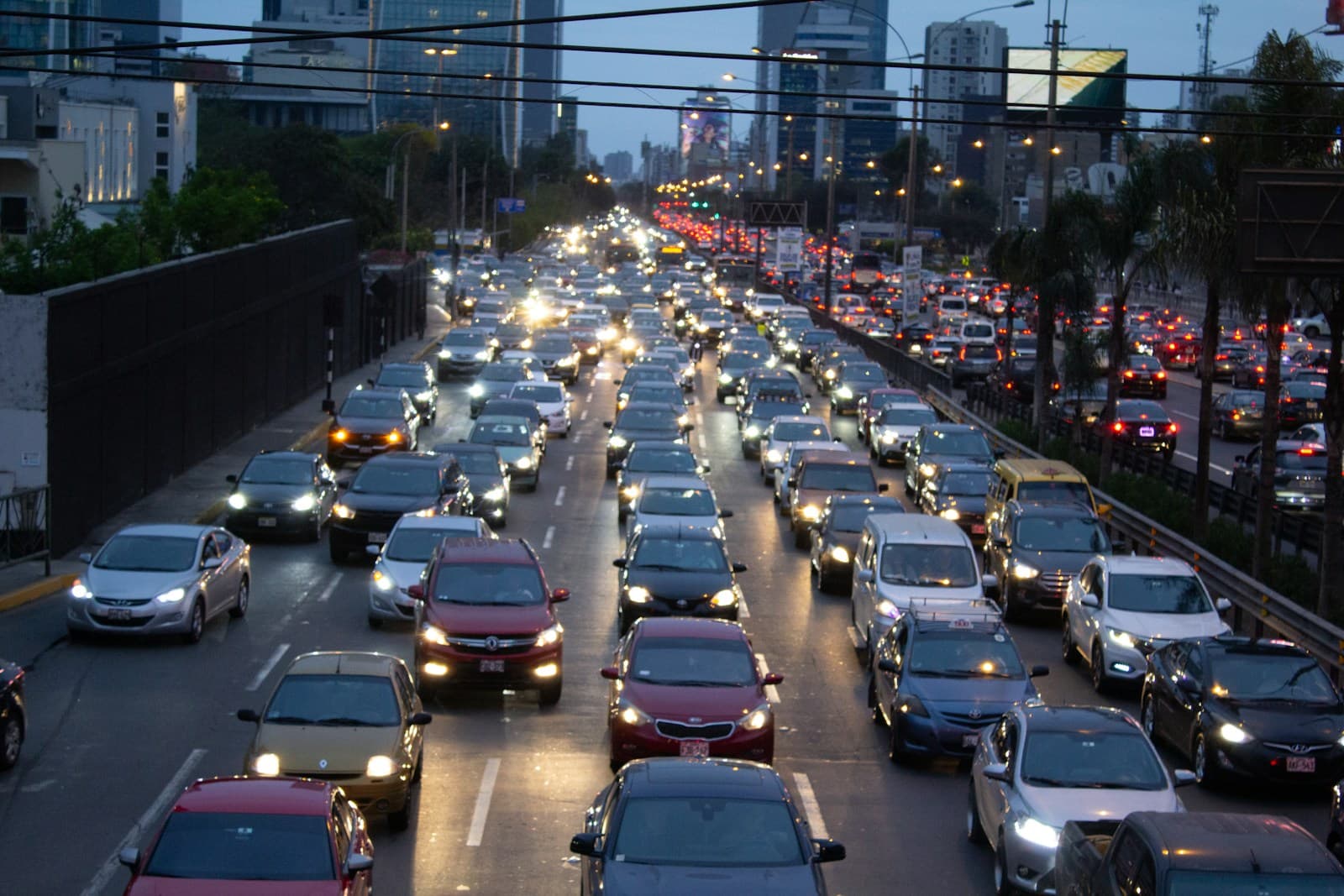
- Route 222 and Penn Street Accident Density: Route 222 through Reading and the Penn Street corridor experience elevated accident rates due to mixed commercial and commuter traffic, increasing claims frequency in zip codes 19601, 19602, and 19604. Drivers with existing violations in these areas face higher premiums as insurers price for both individual risk and geographic claim concentration.
- Berks County Uninsured Driver Rate: Berks County's uninsured motorist rate runs above Pennsylvania's statewide average, concentrating risk for high-risk drivers who already face limited carrier options. Uninsured motorist coverage becomes more expensive here, and carriers factor the regional uninsured rate into liability premium calculations for drivers with points or DUIs.
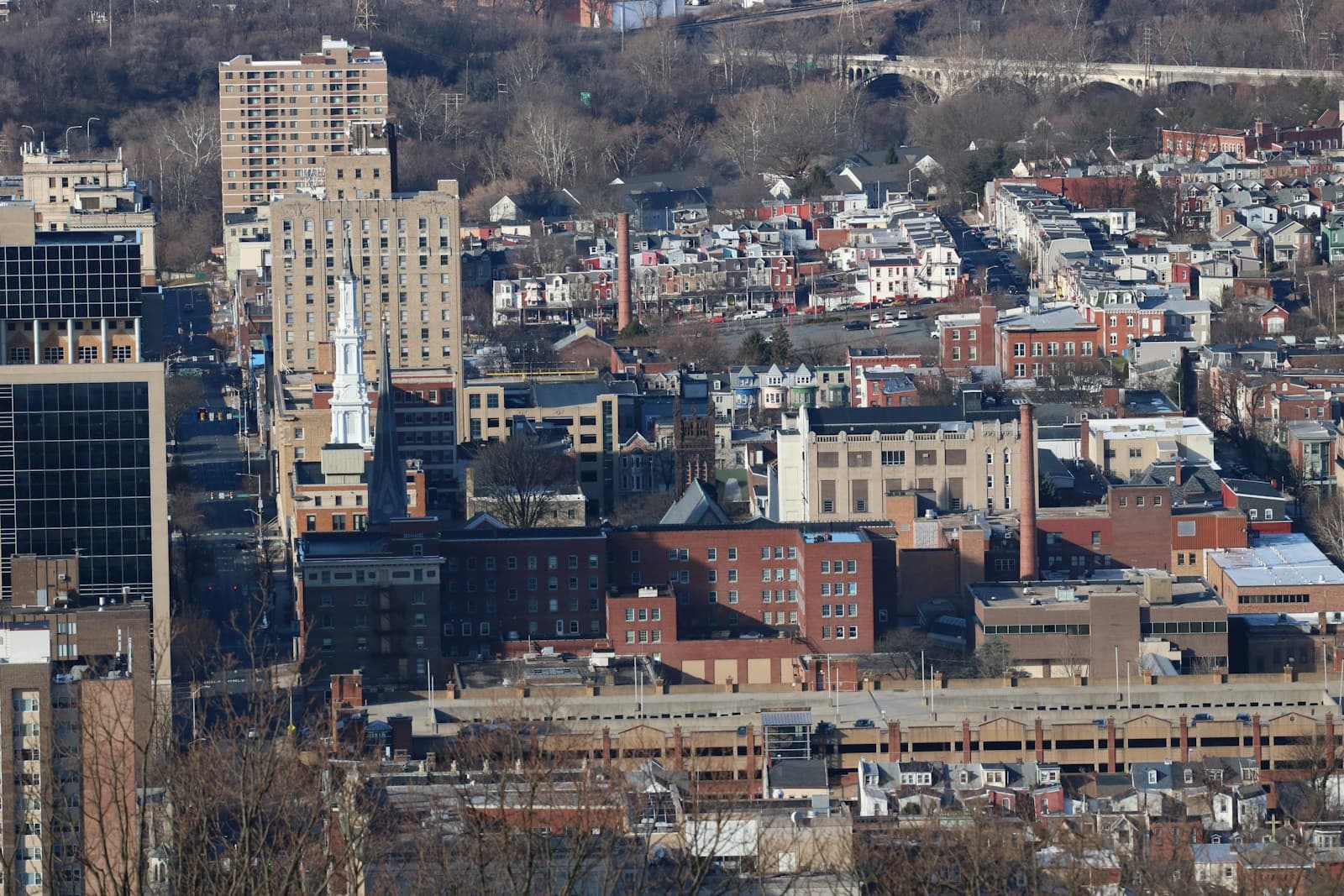
- Urban Density in Central Reading: Central Reading's population density and street parking patterns increase the probability of low-speed collisions, parking incidents, and hit-and-run claims. High-risk drivers in 19601 and 19602 zip codes see collision and comprehensive premiums rise faster than suburban Berks County locations after a violation.
- Winter Weather and Seasonal Claim Spikes: Reading sees ice and snow from December through February, with steep terrain in surrounding areas contributing to weather-related accidents. A driver with an existing at-fault accident faces steeper collision rate increases in Reading than in milder Pennsylvania cities, as insurers weight seasonal claim history heavily for non-standard risk.
- Pennsylvania Point System and Suspension Timeline: Pennsylvania suspends licenses at 6 points within 12 months, and many common violations carry 3 points, meaning two tickets in a year trigger suspension. After suspension, drivers enter the SR-22 market or non-standard tier, where Reading-area premiums range from $1,800–$3,200/year depending on violation severity and lapse duration.
Compare rates from carriers that work with drivers who have points
Standard carriers surcharge heavily after violations. These specialists price your specific record differently.
Get Your Free QuoteCoverage Recommendations
Cost estimates are based on available industry data and vary by driver profile. These are not insurance quotes.
SR-22 Insurance
Required in Pennsylvania for DUI convictions, driving under suspension, or accumulating 6+ points leading to suspension. The SR-22 itself costs $50 to file, but underlying high-risk premiums in Reading range from $1,800–$3,200/year, and you must maintain continuous coverage for 3 years to avoid restarting the filing period.
$1,800–$3,200/year plus $50 filingEstimated range only. Not a quote.
Liability Insurance
Pennsylvania's minimum liability limits are $15,000/$30,000/$5,000, but drivers with violations in Reading should consider higher limits given Route 222 accident severity and the county's uninsured driver rate. Non-standard carriers price liability aggressively for point violations, and minimum coverage rarely offers the lowest total cost after a claim.
Higher after violations; $800–$1,600/yearEstimated range only. Not a quote.
Non-Standard Auto Insurance
Non-standard carriers dominate the market for Reading drivers with 3+ points, recent DUIs, or lapses over 30 days. These carriers specialize in high-risk profiles and offer more competitive rates than standard market declinations, with many Reading drivers finding coverage $400–$800/year cheaper by shopping non-standard-focused agencies.
$1,400–$2,800/year typicalEstimated range only. Not a quote.
Uninsured Motorist Coverage
Berks County's elevated uninsured driver rate makes this coverage critical in Reading, especially for drivers already in non-standard tiers who can't absorb out-of-pocket losses. Premiums rise 15–25% for uninsured motorist coverage after a violation, but the protection is essential given regional claim probability and the limitations of minimum liability enforcement.
$200–$450/year after violationsEstimated range only. Not a quote.